


 +35799952599
 +35799952599
Best Things to Do in Lefkara: A Complete Guide to Cyprus’ Lace Village
Nestled in the foothills of the Troodos Mountains, Lefkara stands as one of Cyprus’ most enchanting villages. With its cobblestone streets, traditional stone houses with colorful wooden balconies, and centuries-old crafts that have earned UNESCO recognition, Lefkara offers a glimpse into authentic Cypriot culture that feels worlds away from the island’s busy coastal resorts.
This isn’t just another pretty village. Lefkara (divided into Pano Lefkara and Kato Lefkara) has been famous for over 600 years for two distinctive crafts: intricate lace-making known as “Lefkaritika” and exquisite silver filigree work. Legend has it that Leonardo da Vinci himself visited Lefkara in 1481 and purchased a lace altar cloth for Milan Cathedral, cementing the village’s international reputation.
Today, Lefkara seamlessly blends its artisan heritage with modern tourism. Visitors can watch craftswomen creating delicate lacework using techniques passed down through generations, explore museums showcasing the village’s rich history, enjoy traditional Cypriot cuisine in atmospheric tavernas, and wander through alleyways where time seems to have stood still.
Whether you’re seeking cultural immersion, traditional crafts for unique souvenirs, authentic village atmosphere, or simply a peaceful day trip from Cyprus’ coastal areas, Lefkara delivers an experience that captures the island’s soul.
Why is Lefkara Famous for Lace and Silver?
Lefkara’s fame rests on two traditional crafts that have been practiced here for centuries, both now recognized by UNESCO.
Lefkaritika Lace:
The art of Lefkara lace-making, known locally as “Lefkaritika,” dates back to the Venetian period (14th-16th centuries). Venetian noblewomen who summered in the cooler mountain villages taught local women fine needlework techniques. Over generations, Cypriot women refined and developed their own distinctive geometric patterns featuring hemstitch work and satin stitch embroidery.
Lefkaritika lace is characterized by its geometric patterns, meticulous handwork (each piece takes weeks or months to complete), traditional motifs including stars, flowers, and crosses, and natural linen fabric base. The craft earned UNESCO Intangible Cultural Heritage status in 2009.
The most famous legend surrounding Lefkara lace involves Leonardo da Vinci, who allegedly visited the village in 1481 while working in Venice. According to tradition, he was so impressed by the intricate lacework that he purchased a large cloth for Milan Cathedral’s main altar. While historians debate the story’s authenticity, it has certainly boosted Lefkara’s international profile.
Silver Filigree Work:
Alongside lace-making, Lefkara developed a parallel tradition of silversmithing. Local artisans create delicate jewelry, decorative items, and ornaments using fine silver wire twisted and shaped into elaborate patterns. The techniques mirror the precision and patience required for lace-making.
You can find silver workshops throughout the village where craftsmen demonstrate the painstaking process of creating filigree earrings, necklaces, bracelets, plates, and decorative boxes. Many pieces incorporate traditional Cypriot motifs and can be customized with names or dates.
What Can You See and Do in Lefkara?
Watch Lace-Making Demonstrations
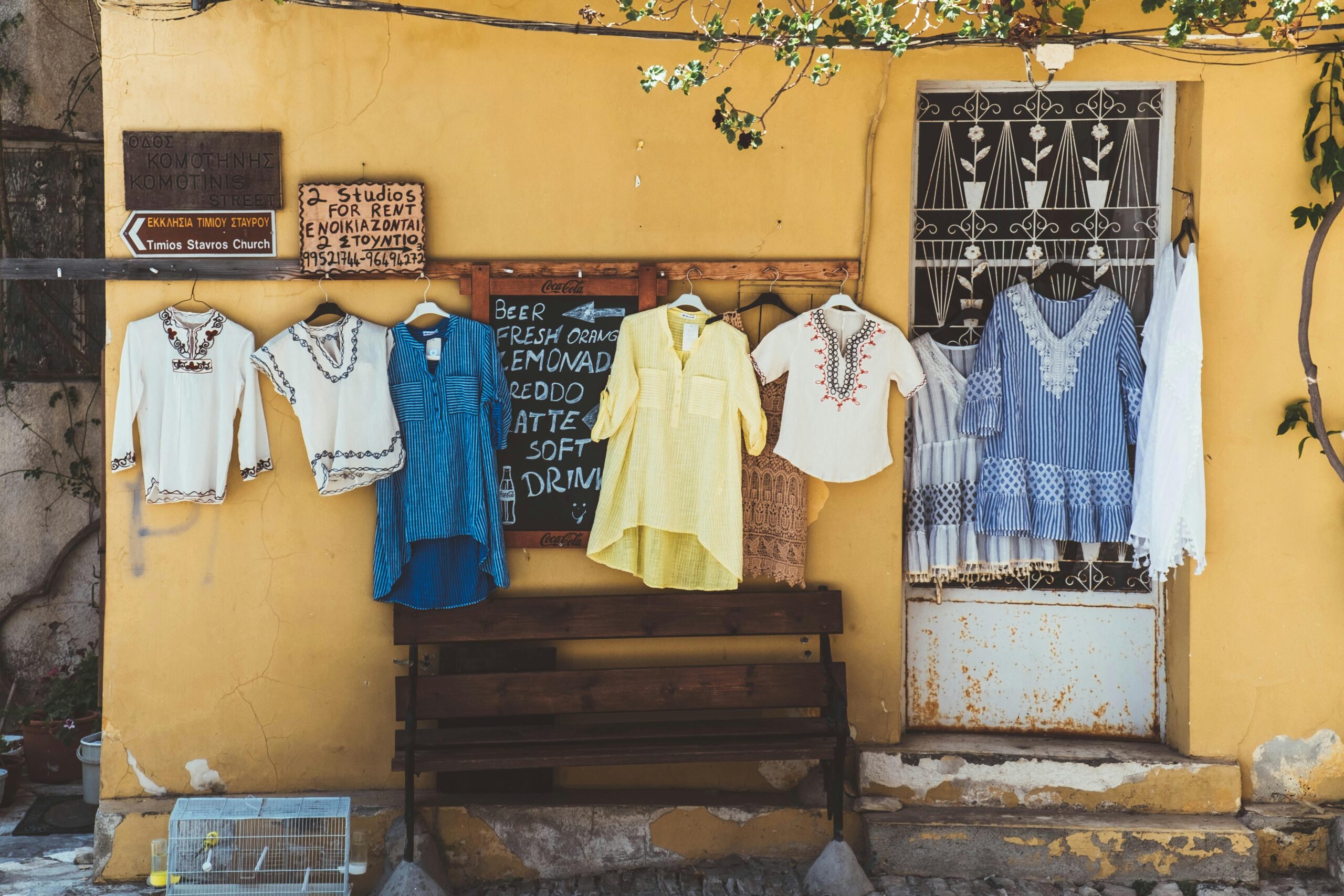
Throughout Pano Lefkara’s main streets, you’ll find women sitting outside their homes or shops, creating lacework with needles and thread. Many welcome visitors to watch and ask questions about the process. The Lefkara Handicraft Center offers organized demonstrations where you can learn about different stitches, traditional patterns, and even try your hand at basic techniques.
Visit the Traditional Embroidery and Silversmithing Museum
Located in Pano Lefkara’s historic Patsalos House, this museum occupies a beautifully restored 19th-century mansion. The ground floor showcases aristocratic lifestyle with period furniture, traditional costumes, and household items. Upstairs galleries display exquisite examples of Lefkara lace from different eras, silver filigree pieces, and explanations of both crafts’ techniques and history.
Details: Open Monday-Sunday 08:30-16:00 (September until April), 09:30-17:00 (April until September). Entrance is free.
Explore the Village Architecture
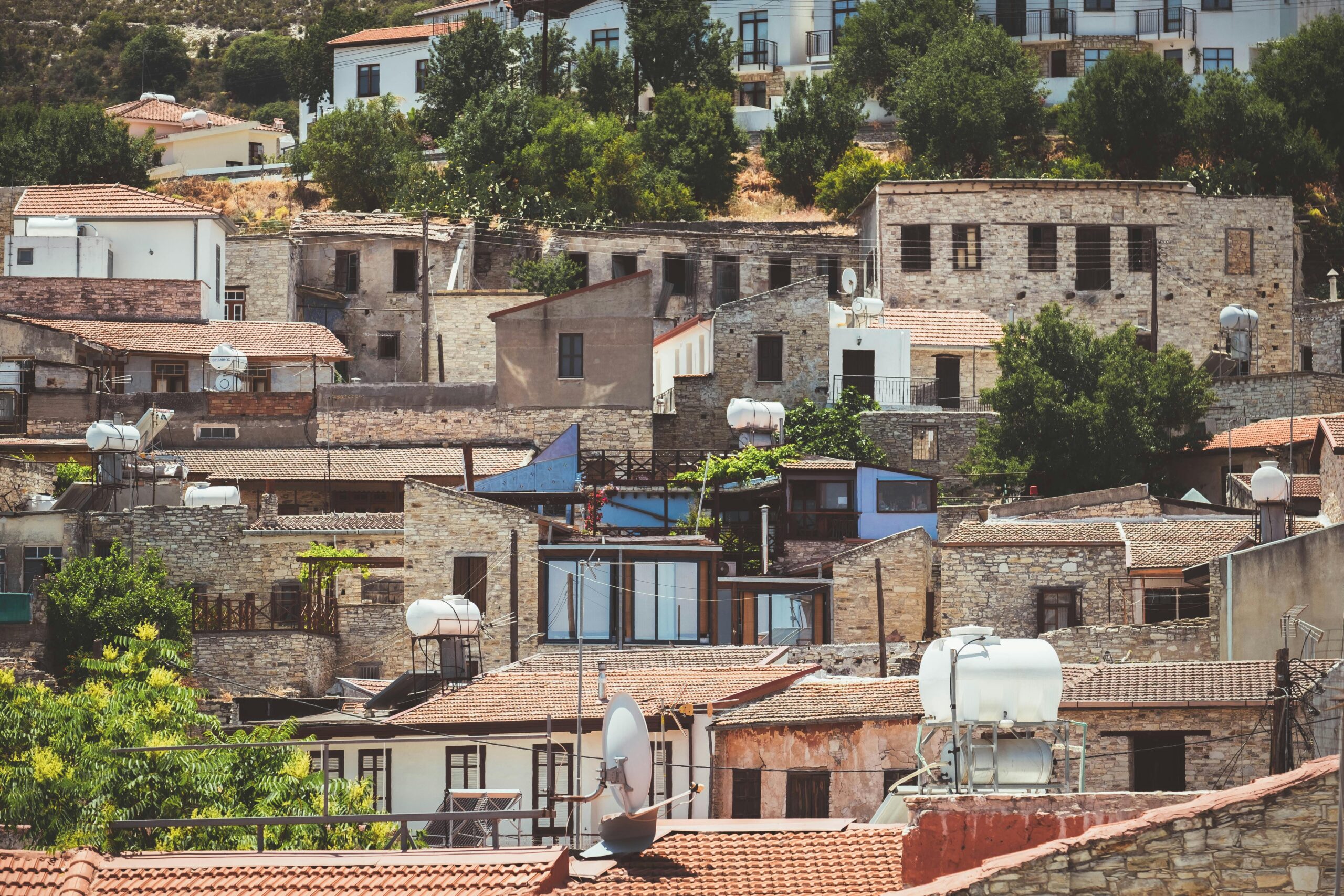
Lefkara’s traditional architecture deserves attention in its own right. Stone houses with wooden balconies painted in traditional blue and green, narrow cobblestone alleys perfect for wandering, hidden courtyards with flowering plants, and restored mansions now housing cafes and museums create an atmospheric setting.
The village maintains strict preservation standards, ensuring new construction respects traditional aesthetics. This creates a cohesive visual experience rare in modern Cyprus.
Visit Historic Churches
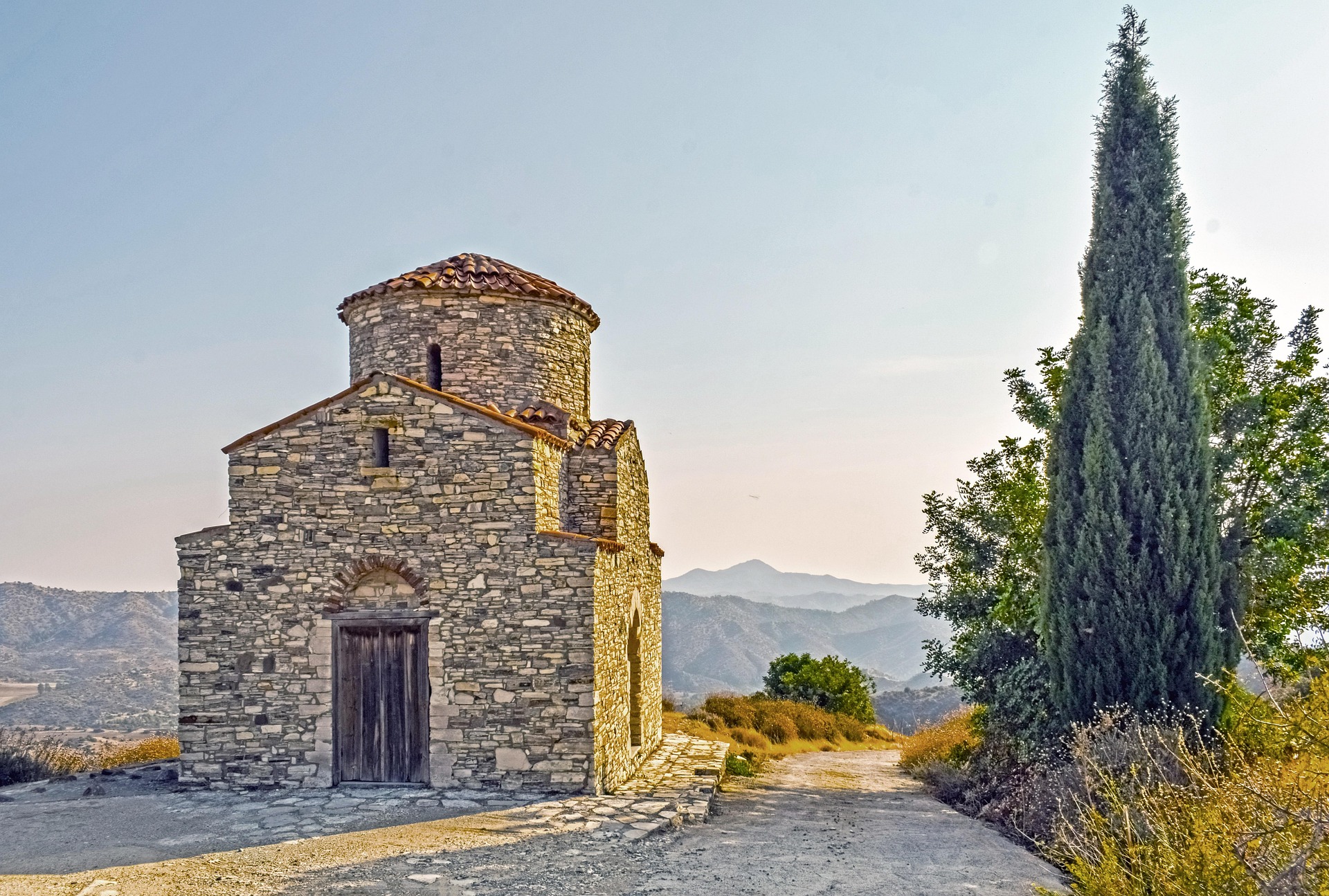
Church of the Holy Cross (Timios Stavros): This late 14th-century church dominates the village square in Pano Lefkara. Built in the Latin style during Frankish rule, it features a distinctive bell tower and houses a fragment of the Holy Cross (hence the name), brought from Constantinople.
Archangel Michael Chapel: Located in Kato Lefkara, this small chapel contains frescoes dating from the 12th and 15th centuries, showcasing Byzantine artistic traditions.
Where Should You Eat in Lefkara?
| Venue | Type | Specialty | Atmosphere |
|---|---|---|---|
| Coffee Yard Cafe Restaurant | Cafe and Restaurant | Coffee, burgers, light meals | Vine covered courtyard, relaxed |
| Stafilaris Coffee Shop | Traditional Cafe | Cypriot breakfast, sweets | Stone built, local atmosphere |
| House 1923 Tavern | Traditional Taverna | Meze and cooked dishes | Restored stone house, authentic |
| Το Πιπέρι Tavern | Traditional Taverna | Grilled meats, meze | Casual, family friendly |
| Panadentro Tavern (Kato Lefkara) | Traditional Taverna | Cypriot dishes, local recipes | Quiet village setting |
Where to Eat in Lefkara
Coffee, burgers, light meals
Vine covered courtyard
Cypriot breakfast, sweets
Traditional stone cafe
Meze and cooked dishes
Historic stone house
Grilled meats, meze
Casual, local favourite
Traditional Cypriot food
Quiet setting in Kato Lefkara
When is the Best Time to Visit Lefkara?
Lefkara offers different experiences across seasons:
Spring (March-May): Wildflowers bloom in surrounding hills, comfortable temperatures for walking (18-24°C), Easter celebrations with traditional processions, and ideal hiking weather.
Summer (June-August): Higher elevation means cooler than coastal areas (typically 5-7°C cooler), busy with tourists during peak season, longer opening hours for shops and restaurants, and perfect for combining with beach holidays.
Autumn (September-November): Beautiful golden light for photography, harvest season with local products available, comfortable temperatures without summer crowds, and excellent hiking conditions.
Winter (December-February): Authentic village atmosphere with few tourists, occasional mountain snow creating picturesque scenes, some shops and restaurants have reduced hours, and Christmas period features special atmosphere.
Avoid: Monday mornings (many shops closed) and midday summer heat (11:00-15:00 in July-August).
What Should You Know Before Visiting?
Practical Tips:
Wear comfortable walking shoes (cobblestones can be uneven), bring cash (some small shops don’t accept cards), allow 2-4 hours minimum for a proper visit, and respect that this is a living village (not a theme park).
Photography: The village is extremely photogenic. Best spots include the main square with the Church of the Holy Cross, narrow alleyways with stone houses and balconies, artisans working on lace or silver, and panoramic views from the village edges.
Shopping Etiquette: Feel free to browse without obligation to buy, asking about craftsmanship shows genuine interest, and negotiation is acceptable for larger purchases, but always be respectful.
We can help
Absolutely. Lefkara offers authentic cultural experiences increasingly rare in modern Cyprus. The combination of living craft traditions, well-preserved architecture, and genuine village atmosphere makes it one of the island’s most rewarding destinations for travelers seeking more than just beaches.
A minimum of 2-3 hours allows you to walk the village, visit the museum, watch craft demonstrations, and have lunch. A full day lets you explore more thoroughly, hike the nature trail, and truly soak in the atmosphere without rushing.
Yes, but be selective. Genuine handmade Lefkara lace is expensive because it’s labor-intensive. If prices seem too good to be true, items are likely machine-made imports. Ask shopkeepers about the maker, look for slight imperfections (sign of handwork), and compare quality across multiple shops before purchasing.
Yes, children generally enjoy Lefkara, especially the winding streets to explore, traditional sweets shops, and outdoor cafes with space to play. The village is car-free in the center, making it safe for young children. However, very young children may find extended craft demonstrations less engaging.