


 +35799952599
 +35799952599
Best Things to Do in Cyprus: Hidden Gems & Iconic Landscapes
Cyprus reveals itself slowly. Beyond the resorts and beach umbrellas lies an island of dramatic coastlines, mythological landscapes, mountain villages frozen in time, and ancient cities where history feels tangible rather than distant.
This guide combines the unmissable with the undiscovered. Iconic landmarks photographed millions of times alongside quiet corners known mainly to locals. Ancient cities where history professors study alongside fishing villages where tavernas don’t bother with English menus. Dramatic gorges requiring 4×4 access and beaches you can reach by bus from Protaras.
Whether you’re planning your first Cyprus trip or your fifth, whether you seek adventure, culture, relaxation, or authentic experiences away from tourist crowds, this guide will help you discover the island’s most beautiful places.
Iconic Natural Wonders
1. Cape Greco National Park
Cape Greco is where Cyprus shows its wild side. Dramatic limestone cliffs plunge into emerald water, sea caves carve the coastline like natural sculptures, and hiking trails lead to viewpoints that make you understand why ancient Greeks believed gods walked here.
What makes it special:
-
16km of marked trails through protected nature
-
Famous “Bridge of Love” natural arch spanning 6 meters over turquoise water
-
Sea caves accessible by swimming or kayaking
-
Sunrise and sunset photography rivaling anywhere in the Mediterranean
-
Endemic plant species found nowhere else on Earth
Best for: Hiking, photography, romantic sunset experiences, coastal exploration
When to visit: Year-round destination. Spring (March-May) brings wildflower blooms across the trails. Early morning or late afternoon provides the best light and fewer crowds. Summer midday can be brutally hot with no shade.
Pro tip: Start at Cape Greco viewpoint parking area, hike down to sea caves (30 minutes), then continue along coastal path to Konnos Beach for sunset. Perfect 2-hour loop that combines one the best of Protaras sunset spots. Bring water because there are no facilities along the trails.
Explore Cape Greco from Your Protaras Base
Stay minutes from Cyprus's most dramatic coastal landscapes
View Villas Near Cape Greco →2. Akamas Peninsula
Akamas is Cyprus untouched. One of the Mediterranean’s last undeveloped coastlines, this wild peninsula feels like stepping back centuries. Gorges carved by ancient rivers, beaches accessible only by foot or boat, and landscapes so raw they’re almost primal.
Highlights:
-
Avakas Gorge: 3km canyon walk between 30-meter limestone walls, with sections so narrow you can touch both sides. Water flows through the gorge in winter and spring.
-
Blue Lagoon: Water so turquoise it looks photoshopped but it’s completely natural. Surrounded by high cliffs with no buildings in sight.
-
Baths of Aphrodite: Mythological grotto where the goddess allegedly bathed, now the starting point for spectacular hiking trails
-
Complete isolation with no beach bars, no sun loungers, no commercial development
Best for: Hiking adventures, 4×4 exploration, boat trips, nature photography, escaping civilization completely
When to visit: Spring (March-May) and autumn (September-November) offer perfect temperatures for hiking. Summer is brutally hot with temperatures exceeding 35°C and no shade. Winter brings rain that makes dirt roads muddy and sometimes impassable.
Access: Rent a car for flexibility or join organized jeep safari tours. Boats depart from Latchi harbor daily during summer months. Not accessible by public transport, which is exactly why it remains unspoiled.
3. Troodos Mountains
The Troodos Mountains are Cyprus’s green heart. Forested peaks reaching nearly 2,000 meters, Byzantine monasteries hiding medieval frescoes, mountain villages where time moves differently, and in winter, actual snow covering the highest elevations.
What makes it special:
-
Mount Olympus: Cyprus’s highest peak at 1,952 meters with panoramic views stretching to Turkey on clear days
-
Nine UNESCO-painted churches: Medieval frescoes preserved for centuries in small stone churches scattered across villages
-
Mountain villages: Stone houses with terracotta roofs, narrow cobbled streets, family-run tavernas serving slow-cooked stews
-
Winter skiing: Yes, Cyprus has ski slopes operating January through March on Mount Olympus’s north face
Best for: Cool-weather retreat from coastal heat, serious hiking, monastery visits, traditional village experiences, wine tasting at mountain wineries
When to visit:
-
Spring and Autumn: Perfect hiking weather (15-25°C) with wildflowers in spring, golden foliage in autumn
-
Summer: Escape coastal heat, temperatures 10°C cooler than beaches, popular weekend destination for locals
-
Winter: Snow activities, cozy fireplaces in village tavernas, deserted hiking trails
Base villages: Platres (most developed with hotels and restaurants), Kakopetria (most authentic with preserved old quarter), Omodos (wine region with monastery and wineries)
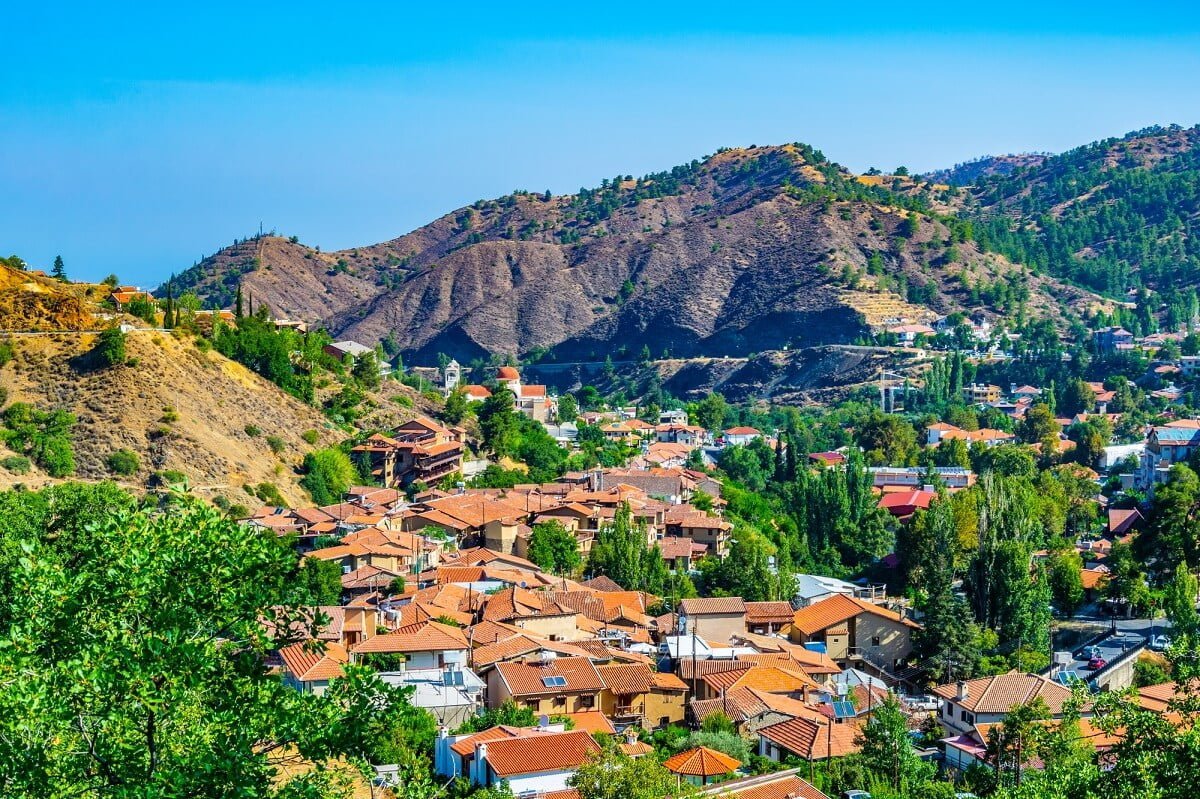
4. White Cliffs (Governor’s Beach Area)
The White Cliffs near Limassol are Cyprus’s secret wonder that even many locals don’t know about. Brilliant white limestone formations rise dramatically against cobalt Mediterranean water, creating landscapes that look more like Greek island fantasy than reality. They remain relatively unknown because there are no organized tours and access requires determination.
What makes it special:
-
Blindingly white rock formations (seriously, bring sunglasses or you’ll regret it)
-
Multiple small bays perfect for private swimming between the cliff formations
-
Golden hour transformations when rocks glow amber and orange at sunset
-
Zero commercial development, no beach bars, no sun loungers, no crowds
-
Dramatic photography opportunities from clifftops and beaches below
Best for: Photography enthusiasts, quiet swimming away from crowds, couples seeking privacy, adventurous explorers willing to navigate unmarked paths
When to visit: Morning provides calm water perfect for swimming and softer light for photography. Sunset offers the most dramatic colors as white rocks turn golden. Avoid midday when glare from white rocks becomes overwhelming and heat reflects off limestone.
Access: Car absolutely essential, no public transport reaches here. Drive between Limassol and Larnaca on A1 highway, turn inland at sign for St. George Alamanos Monastery, then follow dirt road toward sea (approximately 2km). Park carefully and walk down to beaches.
5. Petra tou Romiou (Aphrodite’s Rock)
According to ancient legend, this is the exact spot where Aphrodite, goddess of love and beauty, emerged from sea foam. Whether you believe ancient mythology or not, there’s something undeniably powerful about this place, especially at sunrise when golden light breaks over the distinctive rock formations.
What makes it special:
-
One of Cyprus’s most iconic and photographed landmarks
-
Romantic legend claims swimming around the rock three times brings eternal love
-
Multiple viewing platforms along coastal B6 road offering different perspectives
-
Pebble beach provides access for swimming and close-up views
-
Stunning sunsets, though sunrise offers better solitude
Best for: Mythology lovers, romantic proposals and couple photography, landscape photographers, symbolic swimming experiences
When to visit: Sunrise (6:30-7:30am depending on season) provides solitude and soft golden light. Late afternoon through sunset brings crowds but dramatic colors. Avoid midday when tour buses arrive and harsh light washes out colors.
Pro tip: After visiting the rock, continue 20 minutes north to Pissouri village for authentic lunch at tavernas where locals eat. The contrast between mythological landmark and everyday village life makes for a perfect morning.
Hidden Gems: Where Locals Actually Go
1. Liopetri River
Liopetri is where Cyprus feels like a well-kept secret. This tiny fishing village sits at the unusual point where a narrow river meets the Mediterranean, creating the rare illusion of a riverside town rather than a coastal settlement. Small wooden boats line the water, fishermen mend nets in the afternoon, and family-run tavernas serve whatever was caught that morning.
What makes it special:
-
Authentic fishing village completely untouched by resort development
-
River-like geography unique in Cyprus where most water flows are seasonal
-
Family-run tavernas with impossibly fresh fish, often caught by the owner that same morning
-
Locals outnumber visitors approximately 10:1 even during summer
-
Photography goldmine with colorful boats, reflections, and traditional architecture
Best for: Authentic Cyprus experience, serious seafood lovers, photography, slow afternoons watching local life, escaping tourist crowds
When to visit: Year-round destination but visit Thursday through Sunday for guaranteed taverna opening. Weekday off-season some places close. Lunch (1-3pm) sees most activity when fishermen return and locals arrive to eat.
Getting there: Only 15 minutes from Ayia Napa center. Bus 502 runs from Ayia Napa, or easy drive on A3 highway with clear signage. Free parking available near the water.
2. Pissouri Beach & Village
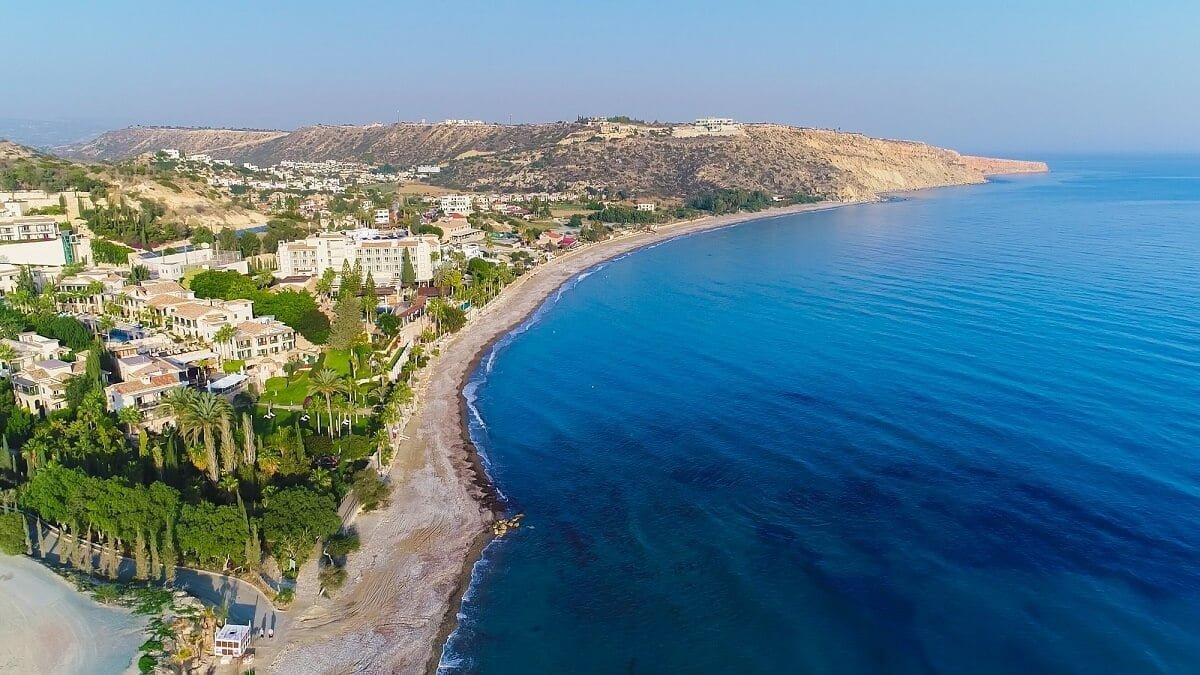
Pissouri exists in a rare sweet spot. Developed enough to offer comfort and good infrastructure, yet untouched enough to retain authentic character and natural beauty. The beach stretches 1.5 kilometers of mixed sand and pebbles backed by dramatic amphitheater-shaped cliffs. The village perches on hillside 200 meters above, all traditional stone houses and narrow winding streets.
What makes it special:
-
Locals from Limassol and Paphos choose this beach over more famous crowded alternatives
-
Village tavernas where Cypriot families eat Sunday lunch, a reliable indicator of quality and authenticity
-
Stunning cliff-backed beach with clear water and dramatic geological formations
-
Wine region with several wineries within 10-minute drive offering tastings
-
Village amphitheater hosts summer cultural events and outdoor cinema
Best for: Nature lovers consciously avoiding mega-resorts, couples seeking relaxed atmosphere, wine enthusiasts exploring Cyprus wine routes, families wanting beaches with character
When to visit: May through October for beach swimming and water sports. Year-round for village exploration and wine tasting. September and October particularly beautiful when summer crowds leave but weather remains perfect.
Getting there: Bus 70 runs from Limassol regularly. By car, easy access from A6 highway (Limassol-Paphos road) with clear exit signage. Ample parking near beach and in village center.
3. Larnaca Salt Lake & Flamingos
In summer, Larnaca Salt Lake looks completely ordinary, just a dried white expanse near the airport where nothing much happens. But when autumn rains fill the shallow lake, thousands of Greater Flamingos arrive from breeding grounds in Turkey, Iran, and Siberia. By February, the lake becomes a stunning pink spectacle, one of the Mediterranean’s most important flamingo habitats.
What makes it special:
-
Peak season December through March with February offering optimal numbers (often exceeding 10,000 birds)
-
Thousands of flamingos create mesmerizing pink carpet effect across the water
-
Historic Hala Sultan Tekke mosque provides stunning architectural backdrop for photography
-
Walking and cycling paths circle entire lake perimeter (approximately 4km)
-
Free access with surprisingly few crowds considering the spectacular natural phenomenon
Best for: Nature photography and bird watching, unique seasonal experience, February and March visitors, families teaching children about migration
When to visit: December through March only, outside these months the lake is dry and empty. Early mornings (7-9am) and late afternoons (4-6pm) provide best light for photography and most active bird behavior. Midday birds rest and colors wash out.
Getting there: Just 5 minutes from Larnaca Airport, making it perfect for arrival or departure day visits. Bus 425 stops nearby, or very short walk from Mackenzie Beach area. Free parking available at several points around the lake.
Related reading: Our complete Cyprus February weather guide explains why this month is absolutely perfect for flamingo viewing and what else to do during winter visits.
Plan Your February Cyprus Adventure
See flamingos, explore empty beaches, and experience authentic Cyprus
Browse Winter Accommodations →4. Latchi Village & Harbor
Latchi is where fishing boats still outnumber luxury yachts and tavernas serve local fishermen first, tourists second. This small harbor village near Polis retains the authenticity that bigger resorts lost decades ago. It serves as the main gateway to Akamas Peninsula, combining working harbor atmosphere with access to pristine nature.
What makes it special:
-
Working fishing harbor (not a sanitized marina) where you watch boats unload the daily catch
-
Tavernas where “fresh fish” means caught this morning, often by the restaurant owner
-
Artists and creatives drawn to the authentic atmosphere and inspiring light
-
Main departure point for Akamas Peninsula boat trips and Blue Lagoon excursions
-
Polis Beach nearby maintains village character without resort development
Best for: Serious seafood lovers, Akamas explorers needing a base, artists and photographers, people seeking authentic coastal life
When to visit: Year-round destination with different appeals each season. Spring and autumn offer perfect weather for Akamas hiking combined with harbor dining. Summer brings more visitors but never crowds. Winter provides maximum solitude and the freshest fish.
Getting there: Bus 649 runs from Paphos to Polis with Latchi a short walk from the bus stop. By car, beautiful coastal drive from Paphos (approximately 45 minutes). Free parking available near the harbor.
Ancient Places That Still Breathe
1. Kourion Archaeological Site
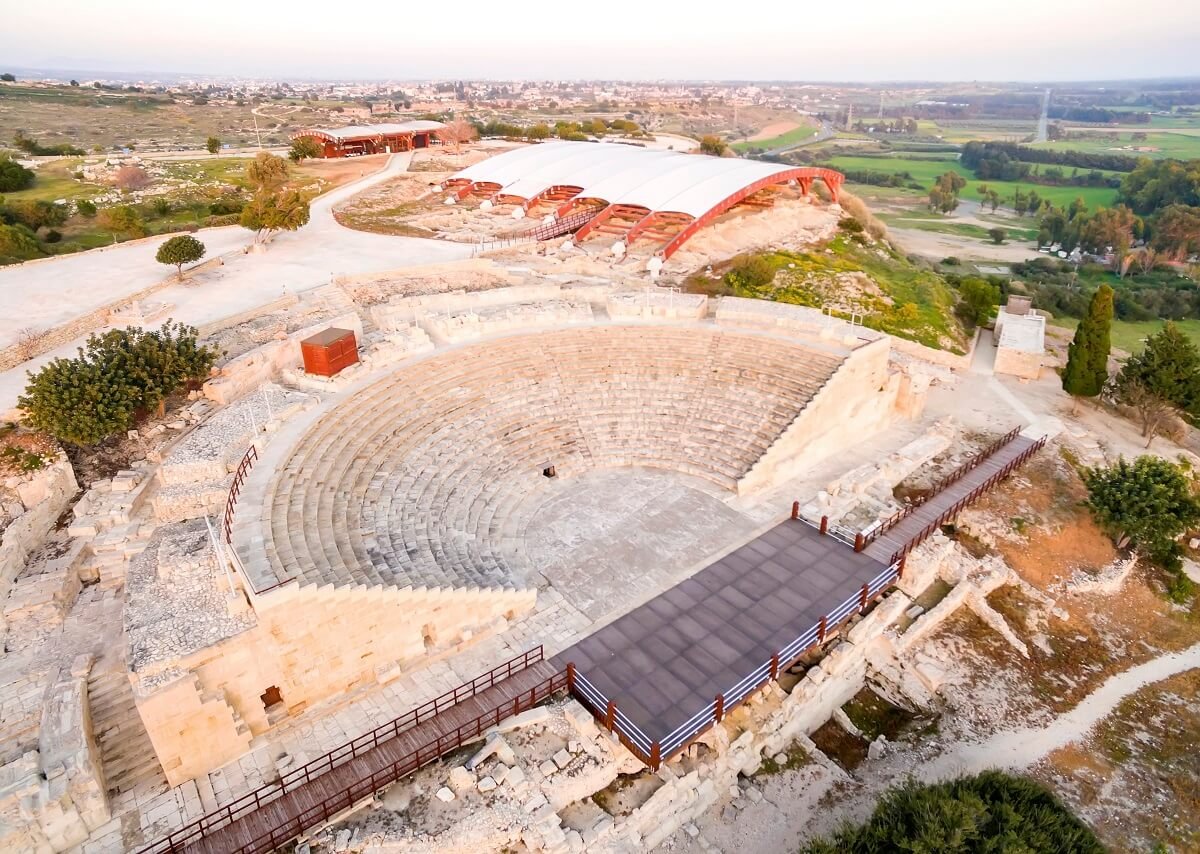
Kourion is where ancient drama literally meets Mediterranean views. This important Greco-Roman city perches dramatically on coastal cliffs 70 meters above the sea, with an ancient theatre that overlooks the Mediterranean and still hosts live performances two thousand years after construction.
What makes it special:
-
Theatre with sea views creating one of the most photogenic ancient sites anywhere in the Mediterranean
-
Exceptionally preserved floor mosaics in the House of Gladiators depicting combat scenes
-
Nearby Temple of Apollo Hylates (god of woodland) set in peaceful countryside
-
Still-functioning ancient theatre hosting summer concerts and classical performances
-
Cliff-top setting creates dramatic atmosphere especially during golden hour
Best for: History enthusiasts and archaeology lovers, photographers seeking iconic ancient sites, theatre fans attending summer performances, sunset visitors
When to visit:
-
Morning visits (8-10am) provide cool temperatures, empty sites, and perfect light angling across ruins
-
Late afternoon (4-6pm) offers golden hour photography and comfortable exploration
-
Absolutely avoid midday in summer when exposed ancient stones reflect heat brutally
-
Check summer performance schedules if interested in experiencing the theatre as ancients did
Getting there: Just 15-20 minutes west of Limassol on A1 highway with clear signage. Taxis readily available from Limassol hotels. Bus service exists but runs infrequently, making car rental or taxi more practical.
2. Kato Paphos Archaeological Park
Kato Paphos packs extraordinary layers of history into comfortably walkable distance. UNESCO World Heritage mosaics, imposing medieval castle, elaborate underground tombs, and the ancient Odeon theatre all cluster within one square kilometer along the picturesque harbor.
What makes it special:
-
Roman villa mosaics ranking among the finest in the entire Mediterranean, depicting mythology scenes in extraordinary detail
-
Medieval Paphos Castle sitting directly on the harbor, combining Lusignan, Venetian, and Ottoman architectural elements
-
Tombs of the Kings featuring elaborate underground Hellenistic burial chambers carved from solid rock
-
All major archaeological sites within 1km radius, perfect for visitors with limited time or mobility
-
Combine concentrated ancient history with modern harbor-side dining and sea views
Best for: Visitors wanting concentrated history without extensive travel, cruise ship passengers on shore excursions, families with children (manageable distances), cultural travelers checking major sites efficiently
When to visit: October through April provides comfortable walking temperatures. Early morning or late afternoon essential in summer when exposed archaeological park becomes extremely hot. Consider combined ticket valid for multiple days if heat requires breaking visits into shorter sessions.
Ticket information: Combined ticket covers House of Dionysus mosaics, House of Theseus, House of Aion, Paphos Castle, and Tombs of the Kings. Valid for multiple days so you can explore at comfortable pace without rushing.
Mountain Villages With Soul
1. Lefkara Village
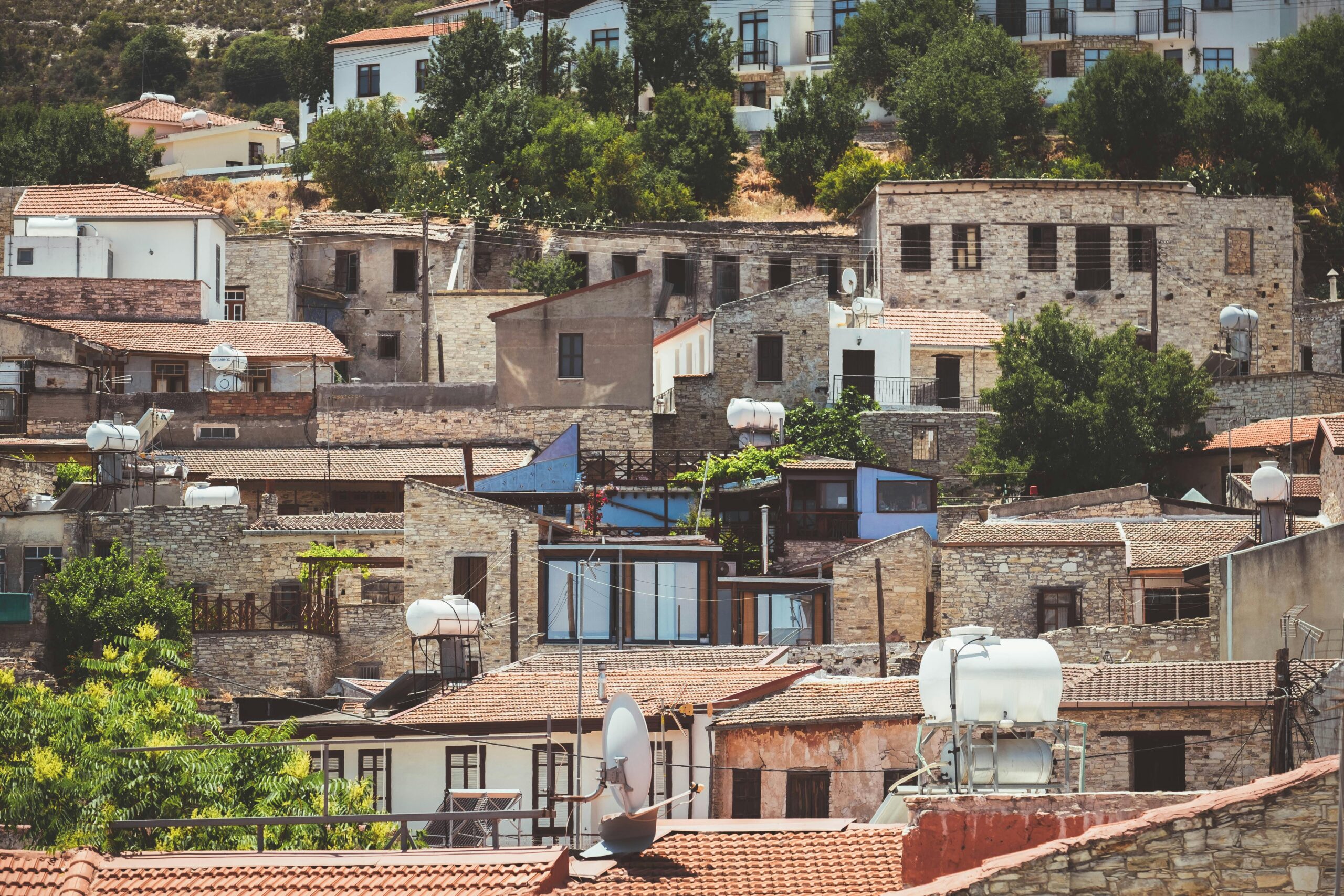
Lefkara is the mountain village where Leonardo da Vinci himself found inspiration during his 1481 visit to Cyprus. This timeless settlement produces the island’s most famous handicraft, lefkaritika lace, a tradition so significant UNESCO recognized it as Intangible Cultural Heritage. Stone houses cascade dramatically down hillsides, silversmiths craft intricate jewelry using techniques unchanged for centuries, and narrow alleys reveal unexpected architectural details around every corner.
What makes it special:
-
UNESCO-recognized lace-making tradition passed through generations of village women
-
Leonardo da Vinci’s documented 1481 visit when he purchased lace for Milan Cathedral’s main altar
-
Traditional silver jewelry craftsmanship, another Lefkara specialty producing distinctive geometric designs
-
Exceptionally preserved stone architecture with buildings dating back 300+ years
-
Mountain panoramas visible from village edges, particularly stunning at sunset
-
Small Museum of Traditional Embroidery explaining lace-making history and techniques
Best for: Culture enthusiasts genuinely interested in traditional crafts, shoppers seeking authentic rather than mass-produced souvenirs, architecture lovers appreciating preserved village character, mountain village experience
When to visit: Year-round destination with different seasonal appeals. Spring and autumn offer most comfortable walking temperatures for exploring steep village streets. Sunday brings local Cypriot families for traditional lunch, adding authentic atmosphere. Avoid extreme summer heat when climbing village streets becomes exhausting.
Getting there: Approximately 45 minutes from either Larnaca or Limassol, making it easy day trip from either city. Bus service from Larnaca exists but runs limited schedule. Car provides much more flexibility for exploring surrounding area and timing visit optimally.
Deep dive: Our complete Lefkara village guide covers which shops offer genuine handmade lace versus imports, where locals eat authentic village food, and architectural details most visitors miss.
2. Omodos Village
Omodos is Cyprus wine country personified. This beautiful Troodos foothills village centers around an impressive medieval monastery, surrounded by traditional cobbled streets, authentic family tavernas, and small wineries still producing wine using methods passed down through generations.
What makes it special:
-
Holy Cross Monastery dominating village center with impressive architecture and religious artifacts including purported piece of the True Cross
-
Traditional wine-making village where many families still maintain small vineyards and produce wine
-
Multiple family-run wineries within village offering tastings of indigenous Mavro and Xynisteri grape varieties
-
Lace-making tradition similar to Lefkara but less commercialized and tourist-focused
-
Enormous cobbled central square shaded by 200-year-old plane tree
-
Traditional houses converted to small museums, craft shops, and galleries
Best for: Wine enthusiasts exploring Cyprus wine routes, couples seeking romantic village atmosphere, cultural travelers interested in traditional Cypriot life, food lovers seeking authentic mountain cuisine
When to visit:
-
September and October bring harvest season when villages actively pick grapes and produce wine, most authentic time
-
Spring offers blooming vines and perfect hiking weather in surrounding countryside
-
Winter weekends provide cozy taverna atmosphere with wood fireplaces and slow-cooked stews
-
Summer can be crowded with Cypriot day-trippers escaping coastal heat
Getting there: Approximately 45 minutes from Limassol driving into Troodos foothills. Bus 64 toward Troodos runs irregular schedule, making car rental much more practical. Ample free parking available on village outskirts with short walk to center.
Coastal Beauty & Natural Wonders
1. Sea Caves (Ayia Napa/Cape Greco)
Cyprus’s coastline hides dozens of sea caves carved by millennia of wave action. Some caves are easily accessible by confident swimmers, others require boats or advanced cliff jumping skills. These natural limestone formations create otherworldly swimming spots with crystal-clear water and dramatic natural architecture.
Where to find them:
-
Cape Greco area: Largest concentration of caves including famous tunnel caves you can swim through
-
Ayia Napa coastline: Multiple caves scattered between popular beaches, some with underwater entrances
-
Coral Bay (Paphos): Smaller caves with calmer water conditions, better for less confident swimmers
What makes them special:
-
Crystal-clear water with visibility often exceeding 30 meters, perfect for underwater photography
-
Natural light effects inside caves create stunning blue glows and light reflections
-
Adventure swimming requiring moderate fitness and water confidence
-
Cliff jumping spots near some caves (experienced swimmers only, check depth carefully)
-
Underwater caves and tunnels for snorkeling and scuba diving exploration
Best for: Adventurous swimmers comfortable in open water, snorkelers and divers, underwater photographers, boat excursion participants, people seeking unique swimming experiences
When to visit: May through October when water temperature makes extended swimming comfortable. Calm sea conditions absolutely essential for safety. Early morning typically provides calmest water before afternoon winds develop. Check local weather and sea conditions before attempting any cave swimming.
Safety reminder: Never enter sea caves alone. Always swim with a buddy. Check tide times and sea conditions. Many caves are best and most safely accessed via organized boat tours rather than swimming from shore. Respect your swimming ability and don’t take unnecessary risks.
2. Fig Tree Bay (Protaras)
Fig Tree Bay consistently earns rankings among Europe’s finest beaches, and for excellent reason. Named after a solitary ancient fig tree that still grows near the beach, this Blue Flag awarded beach successfully combines natural beauty with excellent infrastructure, a rare combination in Cyprus where beaches tend to be either pristine but undeveloped or developed but overdeveloped.
What makes it special:
-
Consistently calm shallow water perfect for families with young children
-
Small island visible offshore, swimmable at low tide (approximately 50 meters from beach)
-
Soft golden sand, relatively unusual in Cyprus where many beaches are pebble or coarse sand
-
Full facilities including sunbeds, umbrellas, cafes, and water sports without losing natural character
-
Ancient fig tree near southern end adds historical element and photograph opportunity
Best for: Families with children who need safe shallow water, swimming enthusiasts, beach days combined with Cape Greco hiking, visitors wanting facilities without resort atmosphere
When to visit:
-
June through September provides peak beach season with warmest water (25-28°C) but expect crowds
-
May and October offer warm swimming (22-24°C) with significantly fewer visitors
-
February through April transforms beach into peaceful walking destination, exploring rock pools and enjoying solitude
See our guide on romantic Protaras activities for off-season beach experiences
Accommodation nearby: Stay within walking distance at our Protaras villas or beachfront apartments, many offering direct beach access and sea views.
Stay Steps from Fig Tree Bay
Beachfront accommodations with heated pools and modern amenities
Browse Beachfront Apartments →3. Millomeris Waterfall
Standing at 15 meters tall, Millomeris holds the title of Cyprus’s highest waterfall. Most dramatically impressive at the end of winter (February through March) when mountain snowmelt creates powerful flow, it provides wonderfully cool refuge during summer months, surrounded by shade from tall plane trees and maintaining surprisingly cool microclimate.
What makes it special:
-
Tallest waterfall in Cyprus with impressive vertical drop
-
Beautiful natural setting at over 1,000 meters altitude in Troodos foothills
-
Accessible hiking trail suitable for families with older children
-
Cool microclimate providing relief approximately 10°C cooler than coastal areas
-
Growing popularity among nature photographers and Instagram enthusiasts
Best for: Nature lovers, landscape photographers, hikers of moderate ability, families seeking mountain adventure, anyone escaping summer coastal heat
When to visit:
-
February through April provides maximum water flow, most dramatic waterfall experience
-
Summer offers cool escape and pleasant hiking though water flow reduces significantly
-
Autumn brings beautiful foliage colors in surrounding forest
-
Winter can be inaccessible if mountain roads have snow or ice
Getting there: Located 36 kilometers from Limassol on the Limassol-Troodos road with parking area near trailhead. Alternatively, hike from nearby Platres village (approximately 45-minute uphill walk through forest). Trail is well-marked but bring water and wear proper footwear.
Final Thoughts: Discovering Cyprus Beyond the Obvious
Cyprus doesn’t reveal everything at once. The island rewards patience, curiosity, and small efforts that separate genuine travelers from passive tourists.
The most beautiful places often require you to wake early for sunrise at Petra tou Romiou, navigate winding mountain roads to reach Kykkos Monastery, follow a dusty unmarked track to discover White Cliffs, or trust a local’s handwritten directions to a family taverna in Liopetri. These small efforts, these moments of mild uncertainty, these brief departures from air-conditioned comfort create the memories that outlast a thousand beach photographs.
Use this guide as inspiration rather than rigid checklist. Choose places genuinely matching your travel rhythm and interests. Combine famous landmarks with quiet discoveries. Build flexibility into your schedule. Allow time to get genuinely lost. Follow recommendations from locals you meet along the way. Stay longer in places that resonate rather than rushing to check boxes.
This is how you discover Cyprus. Not all at once, but slowly, layer by layer, visit by visit. And you’ll find yourself planning your return before you’ve even left.
Ready to explore authentic Cyprus?
Our Protaras accommodations provide perfect bases for discovering the island’s most beautiful places, combining modern comfort with strategic locations. We offer professional airport transfers, local expertise, and insider recommendations helping you find places even detailed guidebooks miss.
Start Planning Your Cyprus Discovery
Heated pools, modern amenities, and local expertise to unlock the island's secrets
We can help
Cape Greco National Park, Akamas Peninsula, Troodos Mountains, Kourion archaeological site, Lefkara village, and Larnaca Salt Lake flamingos represent Cyprus’s diverse beauty. The island combines dramatic coastlines, ancient history, mountain landscapes, and authentic culture all within small distances.
Yes. Liopetri fishing village, White Cliffs near Limassol, Pissouri Beach, Soli ancient city, and winter flamingos at Larnaca Salt Lake remain relatively undiscovered. The key is having your own transportation and willingness to follow local recommendations over guidebooks.
Spring (March-May) and autumn (September-November) offer ideal weather (18-28°C) for hiking and exploration. Winter (December-February) provides unique experiences including thousands of flamingos, empty sites, and 40-60% lower accommodation costs.
Absolutely. Eastern Cyprus locations (Cape Greco, Fig Tree Bay, Liopetri, Lefkara) are 10-45 minutes away. Longer day trips reach Troodos Mountains (90 min) or Kourion (75 min).
Not remotely. Cyprus offers ancient cities, mountain ranges with forests and villages, dramatic gorges, nine UNESCO-painted churches, traditional craft villages, waterfalls, winter flamingo migrations, and mythological landscapes. Beach resorts represent perhaps 20% of what makes Cyprus special.