fbpx
Cyprus in April: Weather, Things to Do and What to Expect | Seafront Protaras

Cyprus in April: Weather, Things to Do and What to Expect

Spring arrives in full colour on this Mediterranean island. April brings warm days, blooming landscapes, fewer crowds and some of the most comfortable conditions of the entire year

April Weather Guide Things to Do Swimming in April Packing Tips
🌡️
22°C
Average daytime high in Protaras
☀️
9 hrs
Average daily sunshine hours
🌊
19°C
Sea temperature in April
🌧️
17mm
Average monthly rainfall

April Weather in Cyprus: The Overview

April is one of the finest months to visit Cyprus. The island transitions from a cool, green spring into the first warmth of the Mediterranean season, offering visitors a sweet spot between comfortable outdoor temperatures and the intense heat of summer. Protaras, on the east coast, benefits from this change particularly well, with calm seas, clear skies and a landscape still lush from the winter rains.

The days are long and consistently sunny, averaging nine hours of sunshine. Rain is possible but rare and almost always brief. Evenings cool down pleasantly, making outdoor dining and coastal walks a genuine joy rather than something to endure. Compared to the relentless heat of July and August, April feels measured, vibrant and alive.

🌡️
22°C
Average high
🌙
14°C
Average low
🌊
19°C
Sea temperature
☀️
9 hrs
Daily sunshine
🌧️
17mm
Monthly rainfall
💧
63%
Average humidity
Protaras in April: The east coast benefits from calmer seas and slightly warmer conditions than the west of the island in April. Fig Tree Bay, already beautiful in early spring, is rarely crowded and the water is crystal clear. It is an ideal time to explore the coastal paths around Cape Greco before the summer heat makes long walks uncomfortable.

Temperatures and Climate Data

April sits at the beginning of the warm season in Cyprus. Daytime temperatures are comfortably warm without being overwhelming, and the island has not yet entered its dry summer phase. Here is a detailed breakdown of what to expect throughout the month.

Daily Temperature Pattern

Mornings in April start fresh, around 14 to 16°C, warming steadily through the day to reach highs of 20 to 24°C in the afternoon. The warmest part of the day is between noon and 3pm. By evening temperatures drop back to around 14 to 16°C, making a light layer essential for outdoor dining.

Measurement April value Comparison to July
Average high22°C11°C cooler than peak summer
Average low14°C10°C cooler than peak summer
Sea temperature19°C8°C cooler than August peak
Daily sunshine9 hours4 hours less than July
Monthly rainfall17mm17mm more than July (0mm)
Rain days4 daysShowers are brief and infrequent

Full Year Temperature Chart

The chart below shows how April sits within the full annual picture for Protaras. April is highlighted in full colour. It is the start of the comfortable warm season, before the intense heat of June through September. For a full breakdown of every month, see our Cyprus weather by month guide.

Average monthly high and low temperatures in Protaras (°C)
Monthly high °C Monthly low °C April is highlighted in full colour
April vs May: If you are deciding between April and May, May offers warmer temperatures (averaging 27°C) and a sea that climbs to 22°C, making swimming more comfortable for most. April is better for hiking, sightseeing and cultural visits, while May begins to feel like a genuine beach holiday. See how all months compare in our complete monthly weather guide.

Can You Swim in Cyprus in April?

This is the question most visitors ask first, and the honest answer is: yes, but it depends on who you are. The sea temperature in April around Protaras averages 19°C, which is considerably cooler than the summer peak of 27 to 28°C in August. For some people, particularly those from colder northern climates, 19°C feels perfectly refreshing. For others, it may be a little cool for extended swimming.

Sea Temperature in April: 19°C
19°C
Protaras sea temperature in April
Rises to 22°C by May and 27°C by July
Too cold (below 15°C) April: 19°C Peak summer: 27°C
The verdict: Confident swimmers and those accustomed to cooler water will find April perfectly swimmable, especially on warm sunny afternoons. Families with young children may find the water a touch cool for prolonged dips. A great solution is to book a villa with a heated pool, which you can set to a comfortable temperature regardless of sea conditions. By mid-April the sea typically feels noticeably warmer than early April, so timing your visit towards the end of the month makes a real difference.

Best Beaches for April Swimming

Shallow, south-facing beaches warm up faster than deeper or north-facing stretches. These are the best spots to swim in April around Protaras.

🏖️
Fig Tree Bay
Protaras's most celebrated beach. The shallow, sheltered bay warms up earlier than most, and the crystal-clear turquoise water is particularly striking in April when crowds are thin. Perfect for a morning swim followed by a coastal walk.
🌊
Konnos Bay
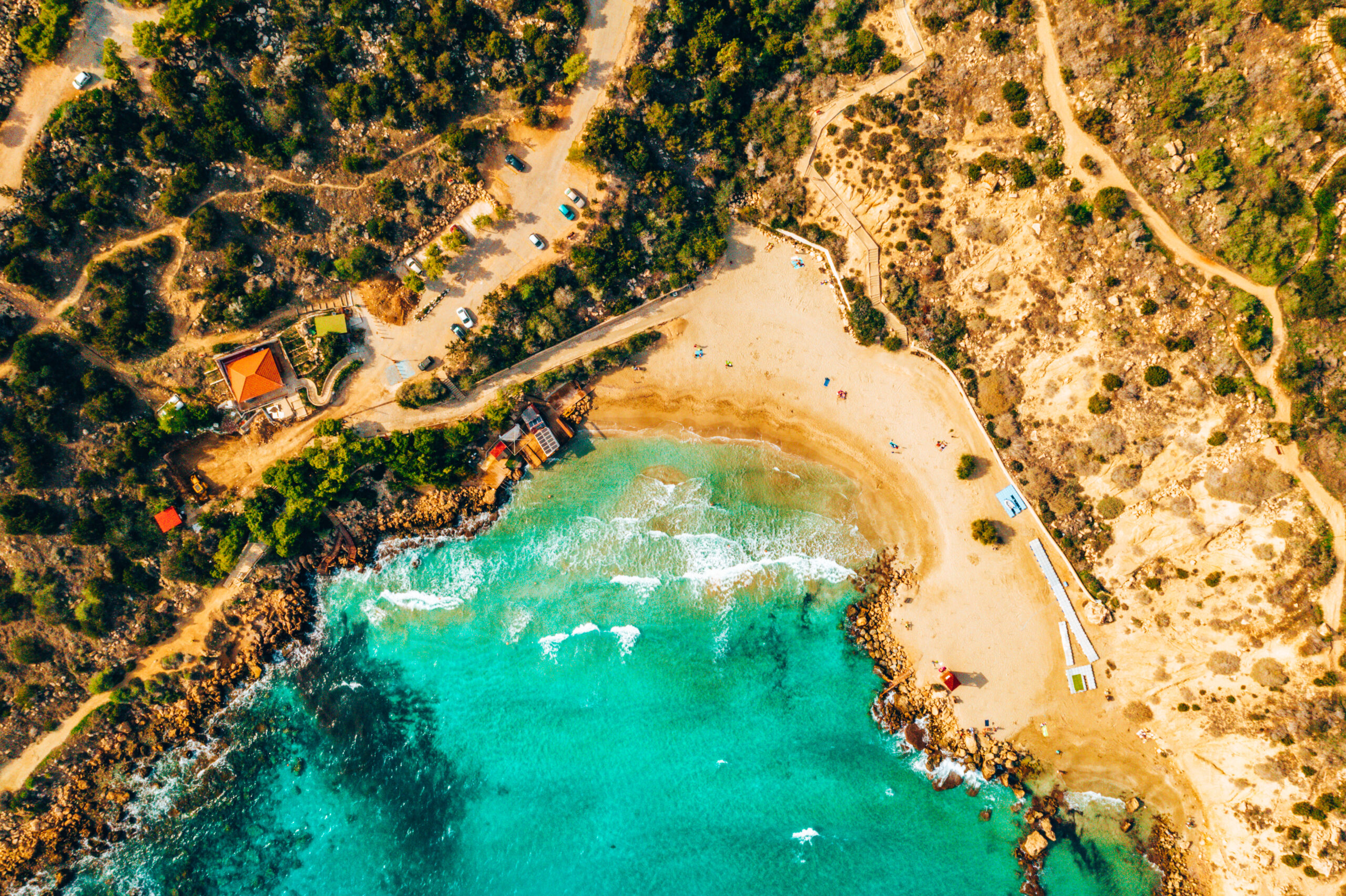
A sheltered cove flanked by dramatic cliffs, about 10 minutes from Protaras. The water here is calm and exceptionally clear in spring. Fewer facilities than Fig Tree Bay, which keeps it quieter and more intimate in April.
🐠
Nissi Beach
Located near Ayia Napa, Nissi Beach has shallow, warm water and is excellent for snorkelling in April. The lively summer scene has not yet kicked in, making it a more relaxed and genuinely beautiful beach in spring.
Heated pool tip: Many villas in Protaras offer heated pools, which is the ideal solution for April. You can enjoy a warm swim in complete privacy without relying on sea conditions. Our Protaras villas include options with heated pools available from early spring.

Things to Do in Cyprus in April

April is arguably the richest month for variety in Cyprus. The weather is ideal for outdoor activity, the countryside is in full spring bloom, and the island has not yet shifted into full summer tourism mode. Here is what to do with your time.

🥾
Hiking and Nature Trails
April is the single best month for hiking in Cyprus. The Troodos Mountains are green and accessible, wildflowers blanket every hillside, and temperatures are comfortable for long walks. Cape Greco National Forest Park near Protaras offers spectacular coastal trails with sea views that are genuinely world-class in spring.
🏛️
Archaeological Sites
Exploring ancient ruins in the heat of August is exhausting. In April, the same sites are a pleasure. Visit Kourion near Limassol, the Tombs of the Kings in Paphos, or the ancient city of Salamis near Famagusta in comfortable warmth with far fewer fellow visitors. Our guide to exploring Cyprus covers the best cultural sites across the island.
🍷
Wine Villages and Wineries
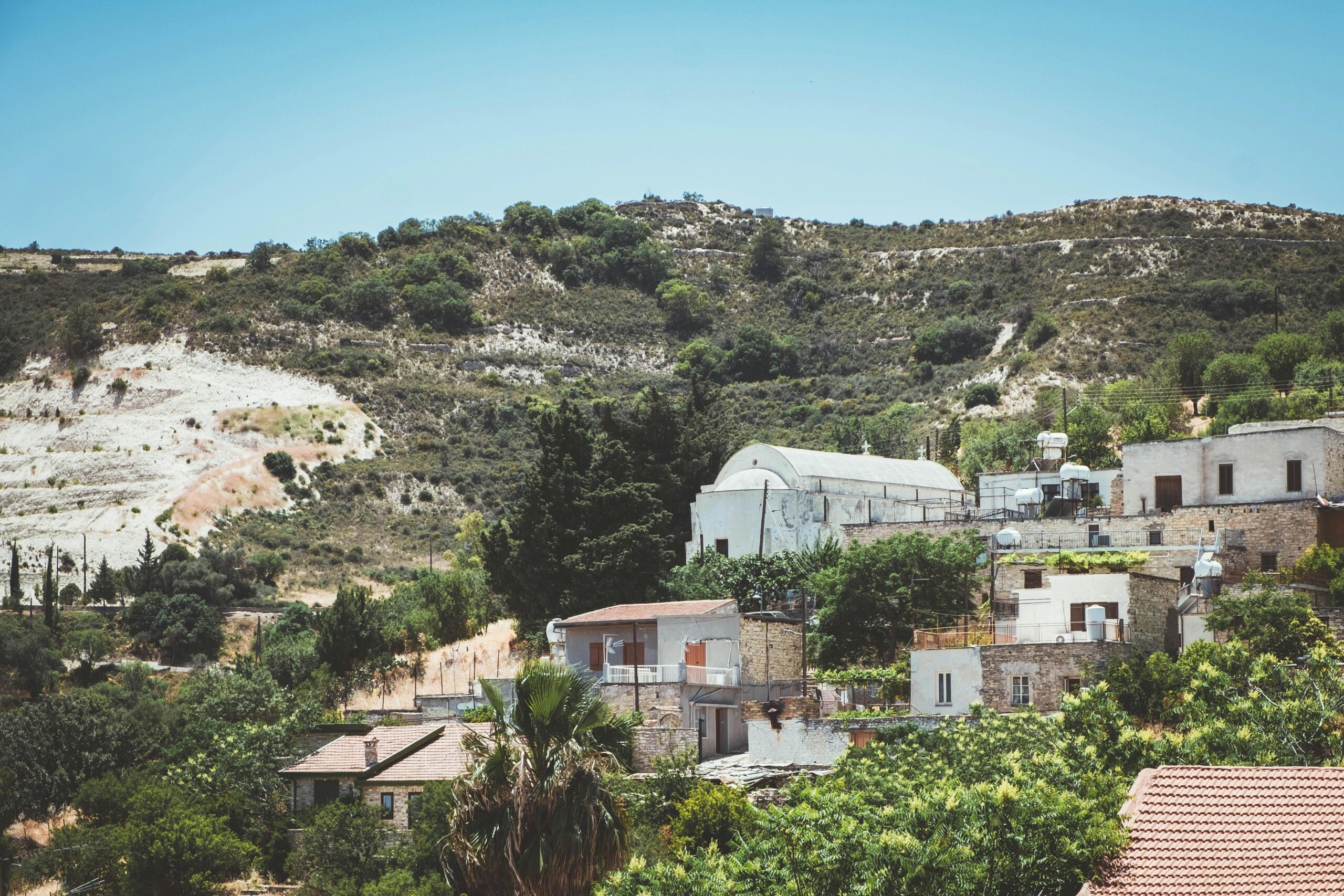
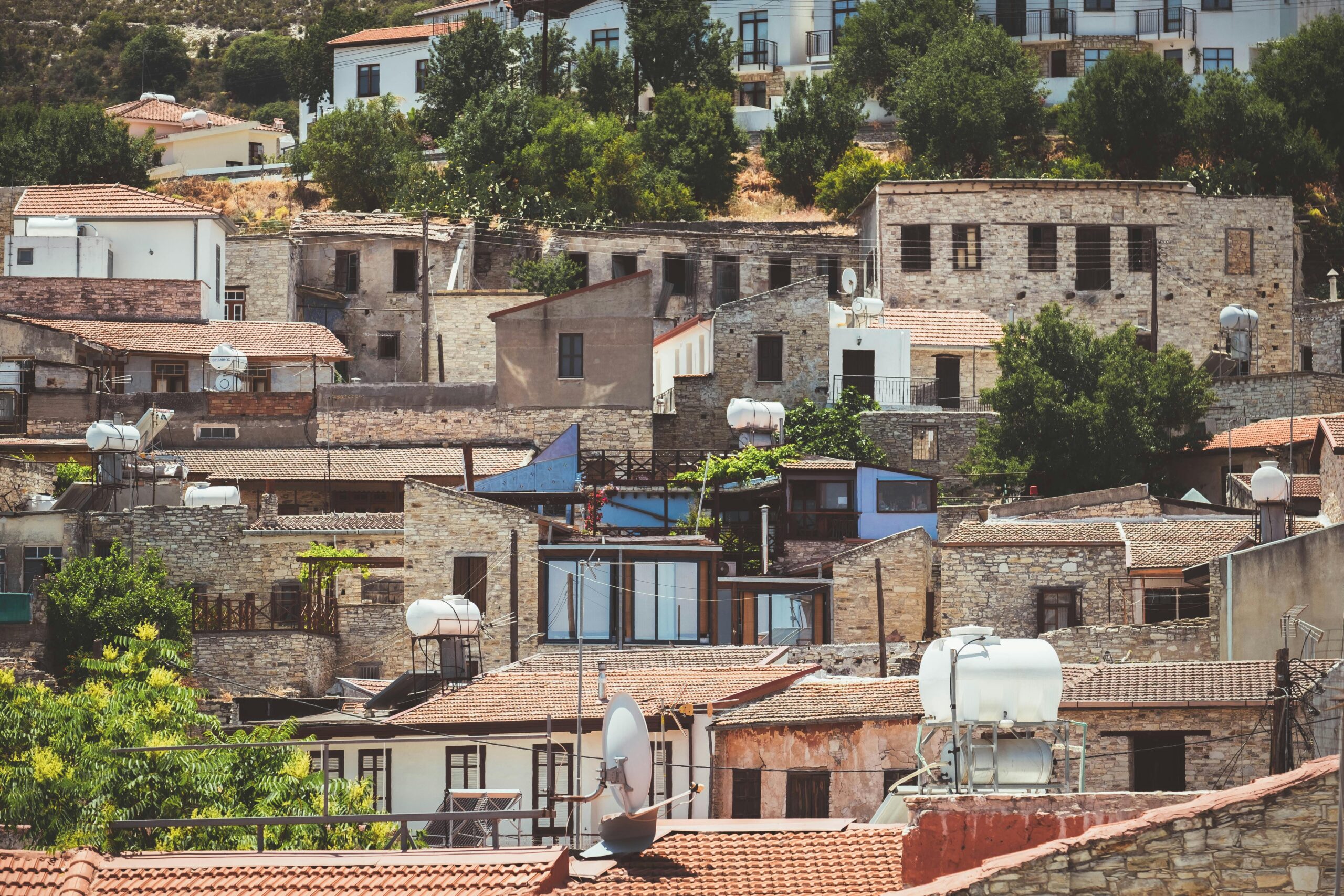
The Troodos wine region is beautiful in April, with vines just beginning to come to life. Village wineries in Omodos, Lofou and Vouni welcome visitors year-round, and a spring visit combines wine tasting with scenic village wandering. Do not miss Lefkara either, the famous lace village with centuries of craft tradition. Read our complete guide to Lefkara before you go.
🚴
Cycling
Cyprus has an excellent network of cycling routes and April is ideal. The coastal path between Protaras and Ayia Napa is flat and scenic. For something more adventurous, the mountain routes around Troodos offer challenging terrain through pine forests and traditional villages.
🤿
Snorkelling and Diving
The sea around Protaras and Cape Greco is exceptionally clear in April. Visibility underwater is often better in spring than summer. The famous sea caves near Ayia Napa are accessible by kayak or small boat and are filled with colourful marine life. Several diving operators begin their season in April.
🌸
Spring Wildflower Walks
Cyprus has over 1,800 plant species and April is when many are in full bloom. The Akamas Peninsula in the west and the hills around Troodos are carpeted in orchids, poppies and anemones. For those who want to immerse themselves fully in nature overnight, glamping in Cyprus is a spectacular spring experience.
Boat Trips
Boat trip operators around Protaras and Ayia Napa begin running regular excursions in April. Spring boat trips around Protaras and Ayia Napa are wonderful when the sea is calm and the light is softer than in high summer. Popular routes take in the sea caves and Blue Lagoon near Cape Greco, the Love Bridge, and sunset cruises along the coast. For something more exclusive, we also offer private luxury yacht tours departing from the local area.
🍽️
Local Food and Tavernas
Traditional Cypriot tavernas are at their best in April. Spring menus feature fresh local produce including wild asparagus, artichokes and seasonal greens. The combination of mild evenings and outdoor terrace dining makes April one of the most enjoyable months to eat well in Cyprus without competing for tables.

Easter in Cyprus: April's Biggest Celebration

Greek Orthodox Easter almost always falls in April, and it transforms the island. It is without question the most important religious and cultural event in the Cypriot calendar, far exceeding Christmas in its significance and spectacle. If your April visit coincides with Holy Week, you are in for something genuinely extraordinary.

The celebrations include candlelit processions on Good Friday, the dramatic midnight Resurrection service on Holy Saturday when the entire island lights up with candles and bonfires, and a Sunday feast of spit-roasted lamb and traditional pastries including flaounes and tsoureki. Communities across Protaras, Paralimni and the surrounding villages all celebrate with deep pride and warmth.

In 2026, Orthodox Easter Sunday falls on 12 April, with Good Friday on 10 April and Holy Saturday on 11 April.

Plan ahead for Easter week: Accommodation in Protaras fills up quickly around Easter. Book your villa or apartment at least three to four months in advance if your dates overlap with Holy Week. A villa with outdoor space is ideal, as Easter Sunday traditionally revolves around the spit-roast in the garden. Read our full guide to Easter in Cyprus for everything you need to know.

What to Pack for Cyprus in April

April requires layering rather than a single-season wardrobe. The days can be genuinely warm enough for t-shirts and shorts, but mornings, evenings and any rain showers call for something warmer. Pack flexibly and you will be comfortable at all times.

👕 Clothing
  • Light t-shirts and linen shirts for warm afternoons
  • A mid-layer such as a light sweater or fleece
  • One light waterproof or packable jacket
  • Long trousers or jeans for cooler evenings
  • Shorts for warm daytime activity
  • Swimwear, even if uncertain about the sea
  • Modest clothing for church visits and villages
👟 Footwear
  • Comfortable walking shoes for cobbled streets and sites
  • Hiking shoes or trail runners if you plan to hike
  • Sandals or flip flops for the beach and casual days
  • Closed shoes for cooler evenings out
🌞 Sun and Health
  • Sunscreen SPF 30 or higher, the April sun is stronger than it feels
  • Sunglasses with UV protection
  • A wide-brimmed hat for outdoor daytime activity
  • Reusable water bottle
  • After-sun lotion
🎒 Practicalities
  • Compact umbrella or packable rain cover
  • Small daypack for hikes and day trips
  • Portable phone charger
  • Insect repellent for evenings outdoors
  • EU travel adapter if coming from outside Europe
UV reminder: Despite the comfortable temperatures, the Mediterranean sun in April is stronger than most visitors expect. UV index levels in Cyprus in April already reach moderate to high levels, particularly around midday. Apply sunscreen on any day you plan to spend time outdoors, and reapply after swimming.

Travel Tips for Visiting Cyprus in April

April is a shoulder season month, which brings real advantages for visitors who plan a little ahead. Here is what experienced April visitors wish they had known before arriving.

1
Book accommodation early if visiting around Easter. Outside of Easter week, April is not particularly crowded and prices are reasonable. But around Holy Week, Protaras fills up quickly. Book three to four months ahead if your dates overlap. Browse our Protaras villa rental services to find the right property for your group.
2
Rent a car. Cyprus has limited public transport, and in April the island is best explored by car. Distances between Protaras, Nicosia, Limassol and the Troodos Mountains are manageable, and a car gives you the freedom to discover quieter villages and coastal paths.
3
Take advantage of the quieter beaches. In July and August, Fig Tree Bay and Nissi Beach are packed. In April, you can arrive at the best spots without queuing for a sunbed. Go early in the morning and you may have entire stretches almost to yourself.
4
Expect some businesses to still be opening for the season. Cyprus tourism runs roughly from April to October. In early April, some beach bars and water sports operators may still be finishing their spring preparation. By mid-April, almost everything is open.
5
Visit the Troodos Mountains. In April, the mountains are green, cool and accessible after winter. The combination of mountain villages, Byzantine monasteries and forest walks makes for a perfect day trip from Protaras. The drive itself through the changing landscape is worth the time.
6
Try the spring menus. April is when Cypriot cuisine shows its seasonal side. Look for dishes featuring wild asparagus, fresh broad beans, artichokes and seasonal greens cooked simply with olive oil and lemon. These appear on menus in April and disappear by June.

Frequently Asked Questions About Cyprus in April

Is April a good time to visit Cyprus?
April is one of the best months to visit Cyprus. The weather is warm and sunny without the intense heat of summer, the island is not yet crowded with peak-season tourists, prices for accommodation and car hire are lower than July and August, and the landscape is at its most beautiful with spring wildflowers in bloom. If your visit coincides with Orthodox Easter, you will also experience the most important cultural event in the Cypriot calendar.
How warm is Cyprus in April?
Daytime temperatures in April average around 22°C in coastal areas like Protaras, with highs occasionally reaching 25°C towards the end of the month. Mornings and evenings are cooler at around 14°C, making a light layer necessary after sunset. The weather is consistently pleasant for outdoor activity throughout the day.
Can you sunbathe in Cyprus in April?
Yes, absolutely. With nine hours of sunshine per day and temperatures regularly reaching 20 to 24°C, April provides excellent sunbathing conditions. The UV index is already moderate to high, so sunscreen is essential. The beaches are far less crowded than in summer, which makes the sunbathing experience considerably more relaxed. Many visitors find April sunbathing more enjoyable than July precisely because of the comfortable temperature.
Is April cheaper than summer in Cyprus?
Generally yes. April is part of the shoulder season and accommodation, car hire and flights are typically less expensive than peak summer months. The exception is Easter week, when demand spikes and prices rise across the board. Outside of that window, April represents good value with excellent conditions.
What is the sea temperature in Cyprus in April?
The sea around Protaras averages 19°C in April, rising slightly towards the end of the month. This is cool by summer standards but perfectly swimmable for many visitors, particularly those used to northern European sea temperatures. Shallow beaches warm up faster, so choosing a sheltered bay like Fig Tree Bay or Konnos Bay gives you the best chance of a comfortable swim.
Does it rain much in Cyprus in April?
Rain in April is infrequent and usually brief. The monthly average is around 17mm spread across approximately four rain days. When rain does fall, it typically comes as a short shower rather than prolonged rainfall, and the sun often returns within the same day. It is worth having a light waterproof jacket in your bag, but rain is unlikely to significantly affect your plans.
Is Cyprus good for families in April?
April is an excellent time for a family holiday in Cyprus. The temperatures are comfortable rather than overwhelming, which suits younger children well. The beaches are quiet enough to let children play freely without navigating summer crowds. Easter celebrations are very family-oriented and welcoming to visitors. The main consideration is the sea temperature of around 19°C, which may be a touch cool for very young children. A villa with a heated pool solves this completely.

Plan Your April Stay in Protaras

Spring is one of the finest times to experience Protaras. Explore our villas and apartments and find the perfect base for your April escape

Villa vs Hotel in Cyprus: Complete Accommodation Comparison Guide

Villa vs Hotel in Cyprus: Which Accommodation is Right for You?

A comprehensive comparison to help you choose the perfect stay for your Protaras holiday

Making the Right Accommodation Choice

When planning a holiday in Cyprus, one of the most important decisions you'll make is choosing where to stay. The debate between renting a private villa and booking a hotel room has been ongoing for years, and there's no one-size-fits-all answer. Each option offers distinct advantages and potential drawbacks, depending on your travel style, group size, budget, and personal preferences.

In Protaras and across Cyprus, both accommodation types have evolved significantly. Modern villas now offer hotel-level amenities, while hotels have introduced more spacious, apartment-style rooms. This guide will help you navigate these options by examining the key factors that matter most: privacy, space, flexibility, amenities, and overall value.

Whether you're a family seeking space to spread out, a couple looking for a romantic getaway, or a group of friends planning an adventure, understanding the fundamental differences between villas and hotels will ensure you make the best choice for your Cyprus experience.

Privacy and Personal Space

The Villa Advantage

Private villas offer an unparalleled level of privacy that hotels simply cannot match. When you rent a villa, the entire property is yours for the duration of your stay. There are no shared hallways, no elevator encounters with other guests, and no need to reserve pool loungers at dawn. Your outdoor space, whether it's a private pool, garden, or terrace, is exclusively available whenever you want to use it.

This privacy extends beyond physical space. You can enjoy meals at any time without worrying about restaurant hours, play music without disturbing neighbors, and allow children to be children without the stress of keeping them quiet in hotel corridors. For families with young children or groups celebrating special occasions, this freedom is invaluable. Many of our luxury villas in Protaras feature secluded pools and spacious gardens, perfect for those seeking complete privacy.

Hotel Social Environment

Hotels, by their nature, are social environments. While this means less privacy, it also offers opportunities that villas don't. You'll share facilities like pools, restaurants, and common areas with other guests. For some travelers, particularly solo visitors or couples who enjoy meeting new people, this social aspect enhances the holiday experience.

Modern hotels have addressed privacy concerns by offering various room types, from standard rooms to suites with private balconies. However, you're still operating within a shared building and adhering to the rhythms and rules of the hotel. Some travelers appreciate this structure, while others find it limiting.

Key Insight: If privacy is your top priority and you value having your own dedicated outdoor space, a villa is the clear winner. If you enjoy the energy of a social environment and don't mind shared facilities, a hotel can work well.

Space & Amenities Comparison

Private Villa
Hotel
Indoor Space
Excellent
Good
Outdoor Space
Excellent
Limited
Privacy
Excellent
Moderate
Kitchen Facilities
Full Kitchen
Minimal/None
Daily Services
Optional
Included

Flexibility and Freedom

Villa Flexibility

Villas offer remarkable flexibility in how you structure your days. There are no breakfast times to adhere to, no checkout procedures for the pool area, and no restaurant reservations required. You can wake up at noon or at dawn, prepare breakfast in your pajamas, and decide on a whim to have dinner at midnight on your terrace.

This flexibility is particularly valuable for families with different schedules. Parents can put children to bed at their normal time while still enjoying the evening outdoors. Teenagers can sleep late while others enjoy a morning swim. Groups can accommodate early risers and night owls without anyone feeling constrained by shared schedules.

The presence of a full kitchen adds another dimension of flexibility. You can prepare meals according to dietary requirements, accommodate picky eaters, save money by cooking some meals, and still enjoy dining out when you choose. This balance is especially appealing for longer stays.

Hotel Structure

Hotels operate on schedules: breakfast hours, pool access times, restaurant reservations, and checkout times. While this structure can feel limiting, it also brings benefits. You don't have to think about meal planning, shopping for groceries, or cleaning up. Everything is taken care of, allowing you to truly disconnect from daily responsibilities.

Many travelers, particularly those on shorter breaks, appreciate this structured environment. After working all year, the appeal of having everything organized and managed by professionals is strong. You can be as active or as passive as you like, with the hotel infrastructure supporting whatever you choose.

Real Scenario: The Extended Family Reunion

The Martinez family, comprising three generations, chose a four-bedroom villa in Protaras for their reunion. The grandparents enjoyed morning coffee on the terrace while the parents prepared breakfast. Teenagers slept until noon, then used the pool at their leisure. The family cooked traditional meals together some evenings and explored local restaurants on others. This flexibility would have been impossible in a hotel setting where everyone would have needed to coordinate around fixed meal times and shared facilities.

Value Considerations

Understanding Villa Economics

Villa rentals typically charge per property rather than per person, which changes the value equation significantly based on group size. For solo travelers or couples, villas can seem expensive compared to hotel rooms. However, for families or groups of four or more, the per-person cost of a villa often becomes competitive with or lower than hotel rooms.

Beyond the nightly rate, villas offer additional value through kitchen facilities. The ability to prepare breakfasts, pack lunches, and cook occasional dinners can result in substantial savings over eating all meals in restaurants. For a family of four on a week-long holiday, this could mean savings of several hundred euros.

Villas also provide more living space for your money. A three-bedroom villa offers separate bedrooms, multiple bathrooms, a full kitchen, living areas, and outdoor space. Achieving equivalent space in a hotel would require booking multiple rooms or expensive suites.

Hotel Value Proposition

Hotels bundle services into their rates: daily cleaning, fresh towels and linens, breakfast (in most cases), and access to facilities. These included services have real value that shouldn't be overlooked when comparing prices. You're also paying for convenience, location advantages, and the peace of mind that comes with professional hospitality services.

Hotels often offer better last-minute deals and more flexible cancellation policies than villas. For shorter stays or uncertain travel plans, this flexibility can be worth a premium. Additionally, hotels typically include utilities, WiFi, and other costs that might be extra with some villa rentals.

Value Tip: Calculate the total cost including meals, services, and transportation when comparing. A slightly more expensive villa close to the beach might offer better value than a cheaper one requiring a rental car.

Amenities and Services

Villa Amenities

Modern villas, especially in popular destinations like Protaras, have evolved to offer resort-level amenities. Private pools are standard in most villa rentals, and many feature heated pools, outdoor kitchens, barbecue areas, and entertainment systems. High-end villas might include game rooms, home theaters, fitness equipment, and even private gyms.

The key difference is exclusivity. While a hotel guest might share a pool with 200 other guests, villa occupants have their facilities entirely to themselves. This exclusivity extends to outdoor dining areas, gardens, and often spectacular views that you can enjoy in complete privacy.

Many villa rental companies now offer additional services that bridge the gap with hotels: welcome grocery stocking, mid-stay cleaning, concierge services, and even private chefs for special occasions. Our Protaras properties can arrange various services to enhance your stay while maintaining the privacy of villa living.

Hotel Services

Hotels excel in service delivery. Daily housekeeping, 24-hour reception, concierge services, on-site restaurants, and organized activities create a comprehensive package. For many travelers, knowing that someone is always available to help solve problems or answer questions provides valuable peace of mind.

Full-service hotels offer amenities that villas typically can't: multiple restaurant options, spa services, fitness centers with professional equipment, kids' clubs, and organized entertainment. These facilities are professionally maintained and staffed, ensuring consistent quality and availability.

The trade-off is that you're sharing these amenities with other guests. During peak season, hotel pools can be crowded, spa appointments fill up quickly, and popular restaurants may require advance reservations even for hotel guests.

Side-by-Side Comparison

Feature Private Villa Hotel
Privacy Complete privacy, no shared spaces Shared facilities, public areas
Space Multiple rooms, indoor & outdoor areas Limited to room size, shared common areas
Kitchen Full kitchen with all appliances None or mini-fridge only
Cleaning Weekly or optional mid-stay Daily housekeeping included
Check-in/out Flexible with prior arrangement Fixed times (usually 14:00/11:00)
Meals Self-catering or optional services Restaurant/buffet, set hours
Pool Private, available 24/7 Shared, may have restricted hours
Best for Groups 4+ people for best value 1-2 people typically more economical
Location Often residential areas, quieter Prime tourist locations, near attractions
Atmosphere Home-like, independent Resort feel, social environment

Which Option Suits Your Travel Style?

Choose a Villa If You:

  • Are traveling with family or a group
  • Value privacy and personal space
  • Want flexibility in meal times and activities
  • Prefer a home-away-from-home atmosphere
  • Are staying for a week or longer
  • Want your own private pool
  • Enjoy cooking or have dietary requirements
  • Need space for children to play safely

Choose a Hotel If You:

  • Are traveling solo or as a couple
  • Want daily housekeeping and fresh towels
  • Prefer all-inclusive meal options
  • Value having 24/7 staff assistance
  • Are staying for a short break (2-4 nights)
  • Want access to multiple facilities (spa, gym, restaurants)
  • Prefer a central location near attractions
  • Don't want to think about meal planning

Real Scenario: The Romantic Getaway

Sarah and Tom chose a hotel for their anniversary trip to Cyprus. They loved starting each day with breakfast on the hotel terrace, spending afternoons by the pool with attentive bar service, and trying different restaurants each evening without worrying about cooking or cleaning. The hotel's spa packages and organized sunset cruise perfectly suited their desire for a pampering, hassle-free romantic escape.

Real Scenario: The Family Adventure

The Johnson family of five selected a three-bedroom villa near Fig Tree Bay. With teenagers wanting independence and younger children needing nap schedules, the villa's flexibility was essential. They cooked breakfast together each morning, packed lunches for beach days, and took turns cooking dinner. The private pool meant the kids could swim anytime, and parents could relax on the terrace with a glass of wine after bedtime without disturbing anyone.

Location and Accessibility

Villa Locations

Villas are typically located in residential areas or purpose-built villa complexes, often a short distance from main tourist centers. This means you'll likely need a rental car or be prepared to use taxis for getting around. However, many travelers view this as an advantage rather than a drawback.

Residential locations offer a more authentic experience of Cypriot life. You'll shop at local markets, discover neighborhood tavernas, and experience the destination beyond the tourist bubble. Many villas in Protaras are within walking distance of beaches and local amenities, offering the best of both worlds.

Hotel Accessibility

Hotels, particularly in resort areas like Protaras, are strategically located for maximum accessibility. Beachfront locations, proximity to restaurants and shops, and easy access to organized tours and activities are standard. This convenience means less planning and often less need for a rental car.

For travelers who prefer spontaneity and want everything within walking distance, hotel locations typically offer advantages. You can step out your door and immediately be in the heart of the action, with entertainment, dining, and activities all readily accessible.

Special Considerations

Traveling with Children

Families with young children often find villas more practical. Children can maintain their normal routines without disturbing other guests. The private pool eliminates concerns about pool safety in crowded hotel pools, and the enclosed outdoor space provides a safe play area. Multiple bathrooms prevent morning bottlenecks, and the kitchen allows parents to accommodate picky eaters and maintain familiar meal schedules.

However, hotels with kids' clubs, organized activities, and child-friendly facilities offer their own advantages. Professional childcare services give parents breaks, and the social environment helps children make holiday friends. Some families prefer this structured environment, especially if they're looking for a genuine break from daily parenting responsibilities.

Extended Stays

For holidays lasting two weeks or more, villas become increasingly attractive. The ability to settle in, establish routines, and truly live in the space rather than merely occupying it makes extended stays more comfortable. Having laundry facilities, full kitchens, and multiple living areas transforms the experience from feeling like an extended hotel stay to feeling like you're temporarily living in Cyprus.

Work-from-Holiday Arrangements

The rise of remote work has created a new category of travelers who need to balance work with vacation. Villas typically offer better setups for this: dedicated quiet spaces for video calls, reliable high-speed internet throughout the property, and the ability to maintain work schedules without disrupting family holiday time. Our modern apartments in Protaras feature excellent WiFi and comfortable workspaces, ideal for digital nomads and remote workers.

Making Your Decision

The choice between a villa and a hotel isn't about which is objectively better—it's about which better matches your specific needs, travel style, and priorities. Both options have evolved significantly, and the gap between them has narrowed in many ways. Modern villas offer services once exclusive to hotels, while hotels increasingly provide more space and flexibility.

Consider your group size first. For four or more people, villas almost always offer better value and more comfortable accommodation. For solo travelers or couples seeking a pampered escape, hotels typically provide better service and convenience at comparable or lower costs.

Think about your holiday style. If you envision lazy mornings, flexible meal times, and the freedom to create your own schedule, a villa supports this lifestyle better. If you want to be taken care of, enjoy structured activities, and prefer having everything organized for you, a hotel excels.

Consider the length of stay. Short breaks of 2-4 nights favor hotels due to their convenience and included services. Longer holidays of a week or more increasingly favor villas as you'll appreciate the extra space and flexibility over time.

Final Thought: There's no wrong choice—only the choice that's right for you. Some travelers have discovered they prefer villas for family holidays but hotels for romantic getaways. Others alternate based on destination and trip purpose. The beauty of Cyprus, and particularly Protaras, is that both excellent villas and quality hotels are readily available, ensuring a great holiday regardless of your choice.

Ready to Book Your Perfect Cyprus Accommodation?

Explore our handpicked selection of villas and apartments in Protaras

View Luxury Villas View Apartments

Cyprus Weather by Month: Your Complete Temperature & Climate Guide

Discover the perfect time to visit Protaras with our comprehensive month-by-month weather analysis, featuring interactive climate data and expert travel insights

☀️
340+
Days of Sunshine per Year
🌡️
19-33°C
Average Temperature Range
🌊
20-27°C
Sea Temperature (Summer)
🏖️
Apr-Oct
Peak Beach Season

Understanding Cyprus Climate

Cyprus enjoys a quintessential Mediterranean climate that attracts visitors year-round to its sun-kissed shores. Located in the eastern Mediterranean, just south of Turkey and close to the Middle East, the island experiences some of the warmest and most stable weather in all of Europe. Understanding the Cyprus temperatures by month is essential for planning your perfect holiday in Protaras.

The climate in Cyprus is characterized by long, hot, dry summers and mild, wetter winters. With over 340 days of sunshine annually, Cyprus offers more guaranteed sun than almost any other Mediterranean destination. The island's weather patterns make it an ideal destination for beach lovers, water sports enthusiasts, and those seeking winter sun when northern Europe turns cold and grey. Whether you're planning to stay in one of our luxury villas in Protaras or prefer our comfortable apartments, understanding the weather will help you pack appropriately and plan the perfect itinerary.

🎯 Quick Planning Tip

Cyprus has two distinct climate zones: coastal areas like Protaras enjoy warm Mediterranean weather year-round, while the Troodos Mountains experience cooler temperatures and even snow in winter, offering skiing opportunities from January to March!

Cyprus Temperatures by Month: Visual Guide

This interactive chart displays the average high and low temperatures throughout the year in Cyprus. The warm coral bars represent average maximum temperatures, while the cool teal bars show average minimum temperatures.

17°
Jan
17°
Feb
19°
11°
Mar
22°
14°
Apr
27°
18°
May
31°
22°
Jun
33°
24°
Jul
33°
24°
Aug
31°
22°
Sep
28°
18°
Oct
23°
14°
Nov
19°
11°
Dec
Average High Temperature
Average Low Temperature

Cyprus Rainfall by Month

Cyprus experiences minimal rainfall during the summer months (June-August), with the wettest period occurring between December and February. This chart illustrates the average monthly rainfall in millimeters.

97mm
Jan
74mm
Feb
35mm
Mar
17mm
Apr
6mm
May
0mm
Jun
0mm
Jul
0mm
Aug
3mm
Sep
17mm
Oct
59mm
Nov
90mm
Dec

Comprehensive Monthly Weather Data

This detailed table provides a complete overview of Cyprus weather conditions month by month, including temperatures, rainfall, sunshine hours, and sea temperatures to help you plan your perfect visit to Protaras.

Month High (°C) Low (°C) Rain (mm) Sun (hrs/day) Sea (°C) Rain Days
January 17°C 9°C 97mm 6 18°C 8
February 17°C 9°C 74mm 7 17°C 6
March 19°C 11°C 35mm 8 18°C 5
April 22°C 14°C 17mm 9 19°C 4
May 27°C 18°C 6mm 11 22°C 2
June 31°C 22°C 0mm 13 25°C 0
July 33°C 24°C 0mm 13 27°C 0
August 33°C 24°C 0mm 12 28°C 0
September 31°C 22°C 3mm 11 27°C 1
October 28°C 18°C 17mm 10 25°C 3
November 23°C 14°C 59mm 7 22°C 5
December 19°C 11°C 90mm 6 19°C 7

Cyprus Weather by Season

Cyprus experiences four distinct seasons, each offering unique advantages for different types of travelers. Here's what to expect throughout the year:

🌸

Spring

March - May

Perfect for Exploration

  • Temperatures: 19-27°C
  • Wildflowers bloom across the island
  • Ideal for hiking and sightseeing
  • Less crowded than summer
  • Water warming for swimming by late May
  • Easter celebrations and festivals
Best Months: April and May offer the perfect balance of warm weather and comfortable conditions for outdoor activities. It's also an incredibly romantic time for couples to explore the island.
☀️

Summer

June - August

Peak Beach Season

  • Temperatures: 31-33°C
  • Zero rainfall - guaranteed sunshine
  • Perfect sea temperatures (25-28°C)
  • Ideal for water sports and diving
  • Vibrant nightlife and beach bars
  • 13 hours of sunshine daily
Tip: Book accommodations early for July-August when European school holidays peak. Consider June or September for fewer crowds. Don't miss our guide to the best sunset viewing spots near Protaras for magical evening experiences.
🍂

Autumn

September - November

Extended Summer Bliss

  • Temperatures: 23-31°C
  • Sea still warm for swimming
  • Perfect for wine tasting tours
  • Fewer tourists, better prices
  • Comfortable for cultural visits
  • Grape harvest and local festivals
Insider Tip: September is often considered the best month - warm weather, calm seas, and significantly fewer crowds than summer. Perfect time to explore Cyprus's beautiful wineries during the grape harvest season.
❄️

Winter

December - February

Mild Mediterranean Winter

  • Temperatures: 17-19°C
  • Wettest season but still sunny spells
  • Perfect for cultural exploration
  • Skiing in Troodos Mountains
  • Lowest accommodation prices
  • Peaceful, authentic Cyprus experience
Winter Bonus: Cyprus remains warmer than most of Europe - perfect for a winter sun escape without long-haul travel.

When is the Best Time to Visit Cyprus?

The answer depends on your priorities and travel style. Here's our expert breakdown for different types of travelers:

🏖️ Beach Lovers

Best Months: June, July, August, September

These months guarantee hot sunshine, calm seas, and perfect swimming conditions. The Mediterranean reaches its warmest in August (28°C), making it ideal for extended beach days and water activities.

💰 Budget Travelers

Best Months: April, May, October, November

Shoulder season offers excellent weather at significantly lower prices. Hotels and flights are cheaper, and you'll find better deals on car rentals and activities while still enjoying pleasant conditions.

🏛️ Culture Enthusiasts

Best Months: March, April, October, November

Mild temperatures make exploring archaeological sites, monasteries, and mountain villages much more comfortable. You'll also experience Cyprus without the summer tourist crowds. Check out our comprehensive guide to exploring Cyprus for the best cultural sites and hidden gems.

👨‍👩‍👧‍👦 Families

Best Months: June, September

Early summer and early autumn offer the perfect combination of great weather, warm sea, and slightly fewer crowds. September is particularly family-friendly with calmer seas and more availability.

🚶‍♂️ Active Travelers

Best Months: April, May, October

Spring and autumn provide ideal conditions for hiking, cycling, and exploring. Temperatures are comfortable for physical activity, and the landscapes are at their most beautiful.

🏊‍♂️ Water Sports Fans

Best Months: July, August, September

Peak summer months offer the best conditions for diving, snorkeling, windsurfing, and jet skiing. Visibility underwater is excellent, and all water sports facilities are fully operational.

Month-by-Month Highlights for Protaras

January & February: Quiet Coastal Winter

Average Temperature: 17°C high / 9°C low

The coolest months in Cyprus see temperatures that would still be considered pleasant by northern European standards. While too cool for swimming (sea temperature around 17-18°C), it's perfect for coastal walks, exploring Protaras' famous Fig Tree Bay without crowds, and enjoying authentic Cypriot life. Pack layers for cooler evenings and possible rain showers.

What to Do: Visit Cape Greco National Park, explore ancient Famagusta, enjoy traditional tavernas, and if you're adventurous, head to the Troodos Mountains for skiing!

March & April: Spring Awakening

Average Temperature: 19-22°C high / 11-14°C low

Spring brings Cyprus to life with wildflowers carpeting the countryside and almond trees blossoming. Temperatures become increasingly pleasant, and by late April, you can enjoy the first beach days of the season. The sea is still fresh (18-19°C) but brave swimmers start to venture in. Easter celebrations, if they fall in this period, add vibrant cultural experiences. This is also a great time to experience some of Cyprus's best festivals celebrating culture, food, and music.

What to Do: Nature walks along the Protaras coastal path, visit the Church of Profitis Elias for panoramic views, explore Ayia Napa's sea caves, and enjoy outdoor dining as restaurants reopen.

May: Perfect Pre-Summer Weather

Average Temperature: 27°C high / 18°C low

Many consider May the perfect month for Cyprus. Temperatures are warm but not scorching, the sea becomes comfortably swimmable at 22°C, and the island isn't yet crowded with peak-season tourists. Long sunny days (11 hours of sunshine) and minimal rainfall make it ideal for both beach relaxation and island exploration.

What to Do: Perfect time for diving and snorkeling, boat trips to the Blue Lagoon, exploring Konnos Bay, and enjoying water sports as all facilities open for the season.

June, July & August: High Summer Glory

Average Temperature: 31-33°C high / 22-24°C low

Peak summer brings guaranteed hot sunshine and virtually zero rainfall. These are the hottest months with temperatures regularly reaching the low to mid-30s. The Mediterranean is at its finest, reaching 25-28°C - perfect for swimming, diving, and all water activities. Long days (13 hours of sunshine in July) allow for extended beach time and vibrant evening entertainment.

What to Do: Focus on early morning and evening activities to avoid midday heat. Enjoy beach clubs, sunset catamaran cruises, moonlight swimming, and the famous Ayia Napa nightlife. Book water parks and boat trips in advance.

September & October: Extended Summer

Average Temperature: 31-28°C high / 22-18°C low

Often called "Cyprus's secret season," these months offer arguably the best combination of weather and experience. The intense summer heat subsides to more comfortable levels, yet the sea retains its warmth (25-27°C in September). Tourist numbers drop significantly after schools reopen, meaning better prices and peaceful beaches.

What to Do: Ideal for combining beach time with cultural visits. Explore the Paralimni area, visit local wineries during harvest season, enjoy outdoor yoga on the beach, and take advantage of end-of-season hotel deals.

November & December: Mild Mediterranean Winter

Average Temperature: 23-19°C high / 14-11°C low

Temperatures cool down and rainfall increases, but Cyprus remains significantly warmer than northern Europe. While swimming might be too cool for most (19-22°C sea temperature), it's perfect weather for hiking, cycling, and exploring cultural sites. December brings festive decorations and a unique Mediterranean Christmas atmosphere.

What to Do: Perfect time for walking the Cape Greco trail, visiting inland villages, exploring Protaras town without crowds, and enjoying authentic Cypriot hospitality in family-run tavernas. Great for photography with beautiful winter light.

Frequently Asked Questions About Cyprus Weather

What is the hottest month in Cyprus?

July and August are the hottest months in Cyprus, with average maximum temperatures of 33°C. During heatwaves, temperatures can exceed 40°C inland, though coastal areas like Protaras remain slightly cooler due to sea breezes. These months also see the warmest sea temperatures (27-28°C) and virtually no rainfall.

When is the rainy season in Cyprus?

Cyprus's rainy season runs from November through February, with December and January being the wettest months (averaging 90-97mm of rainfall). However, rain typically comes in short bursts rather than all-day downpours, and you'll still enjoy sunny spells between showers. The summer months of June, July, and August see virtually no rain.

Is Cyprus warm enough for swimming in October?

Yes, October is still excellent for swimming in Cyprus. Sea temperatures average around 25°C, which is very comfortable for most swimmers. Air temperatures reach 28°C during the day, and you'll enjoy around 10 hours of daily sunshine. Many consider October ideal as it's warm enough for beach activities but not as intensely hot as July-August.

What should I pack for Cyprus in different seasons?

Summer (Jun-Aug): Light, breathable clothing, swimwear, sun hat, high SPF sunscreen, sunglasses.

Spring/Autumn (Apr-May, Sep-Oct): Light layers, light jacket for evenings, both beachwear and casual clothes.

Winter (Nov-Feb): Warmer layers, light waterproof jacket, long trousers, closed shoes - though still pack some t-shirts for mild sunny days.

Does Cyprus get very humid in summer?

Cyprus experiences moderate humidity year-round, averaging 65-72% in summer months. While this is noticeable, particularly in coastal areas like Protaras, it's generally less oppressive than many other Mediterranean destinations. The constant sea breezes help make the heat more bearable. July and August can feel humid, especially during the middle of the day, which is why many visitors prefer early morning and evening activities.

How many hours of sunshine does Cyprus get?

Cyprus enjoys approximately 3,300 hours of sunshine per year - one of the highest in the Mediterranean. In summer, you can expect 12-13 hours of daylight, while winter months still offer a respectable 6 hours of sunshine daily. This makes Cyprus one of Europe's sunniest destinations, with over 340 days of sunshine annually.

Plan Your Perfect Cyprus Experience

Now that you know when to visit Cyprus, explore these helpful guides to make the most of your Protaras holiday:

🏡

Accommodation

Choose your perfect home away from home in Protaras

💑

Romance & Adventure

Create unforgettable memories in Cyprus

🍷

Culture & Exploration

Ready to Experience Cyprus Paradise?

Book your perfect Protaras holiday now and enjoy Mediterranean sunshine at its finest

View Luxury Villas View Apartments

Your Perfect Cyprus Weather Awaits

Understanding Cyprus temperatures by month is key to planning your ideal Mediterranean escape. Whether you're seeking the intense heat of July and August for pure beach relaxation, the perfect balance of May and September for combining sun and exploration, or the peaceful winter months for cultural discovery, Cyprus offers something special year-round.

Protaras, with its stunning beaches, crystal-clear waters, and excellent tourism infrastructure, showcases the best of Cyprus's climate. The town benefits from the island's consistent sunshine, protected bays that offer calm swimming conditions, and a microclimate that often provides slightly milder temperatures than inland areas.

No matter when you choose to visit, you'll discover why Cyprus has been a beloved holiday destination for thousands of years. From ancient civilizations to modern travelers, people have been drawn to these sun-blessed shores - and once you experience the magic of Cyprus weather for yourself, you'll understand why so many visitors return year after year.

🌟 Planning Your Visit?

At Seafront Protaras, we're here to help you make the most of Cyprus's incredible weather. Whether you're looking for a private villa with a pool or stylish beachfront apartments, our team can advise on the best time to visit based on your preferences and help you plan activities that match the seasonal conditions. Get in touch with us today to start planning your perfect Cyprus holiday!

Cyprus Weather in February: Your Complete Guide

February in Cyprus offers something special: the island awakening from mild winter, with wildflowers beginning to bloom and comfortable temperatures for outdoor exploration without summer crowds. If you’re considering a February escape to Cyprus, you’re in for a peaceful, authentic Cypriot experience where you can hear the waves at Fig Tree Bay and explore ancient sites without queuing. What should you really expect from Cyprus weather in February? Let’s explore everything you need to know.

Is February Good for Cyprus?

February is ideal if you want mild temperatures around 16 to 17°C, quiet beaches, hiking, and authentic local experiences. It is not ideal for swimming, beach clubs, or nightlife. Expect short rain showers, fewer crowds, and 40 to 60% lower prices compared to summer.

What’s the Weather in Cyprus in February?

Cyprus February Weather Summary: Average daytime temperature 17°C, night temperature 11°C, sea temperature 18°C. Expect 6 hours of daily sunshine, 50mm total rainfall (7-8 rainy days), and comfortable humidity at 65-70%.

Here’s everything you need to know at a glance:

Category Average Range Comment
🌡 Daytime Temperature 17 °C 16 – 18 °C Perfect for outdoor exploring
🌙 Night Temperature 11 °C 10 – 12 °C Light jacket needed
🌊 Sea Temperature 18 °C 17 – 18 °C Too cool for most swimmers
☀️ Sunshine 6 hrs/day 5 – 7 hrs Plenty of daylight hours
🌧 Rainfall 50 mm total 7 – 8 rainy days Mostly short showers
💨 Wind Speed 18 km/h light to moderate breeze Gentle coastal winds
🌡 UV Index 3-4 moderate Sunscreen still recommended
💧 Humidity 65-70% comfortable Lower than summer's 75-85%

What This Feels Like

February in Cyprus feels like a crisp European spring day. Mornings start cool: you’ll want a light jacket for breakfast, but by midday, temperatures reach pleasant levels perfect for sightseeing. Evenings turn cooler, ideal for cozy dinners at local tavernas. The Mediterranean breeze can make coastal areas feel slightly cooler, so layering is essential when exploring the best sunset spots around Protaras.

Looking for February Accommodation?

Heated pool villas with 40-60% off peak season rates

Browse February-Ready Villas →

Can You Swim in Cyprus in February?

The sea temperature hovers around 17-18°C (63-64°F), refreshingly cool but swimmable for the adventurous. Most February visitors enjoy beaches for their tranquility rather than swimming.


For the Brave:

  • Quick, invigorating dips possible on sunny days

  • Best conditions: late morning (11am-1pm)

  • Crystal clear water with excellent visibility

  • Beaches practically to yourself


For Everyone Else:

  • Incredible beach walks along deserted shores

  • Perfect for beachcombing and coastal photography 

  • Exploring rock pools and coastal paths

  • Peaceful meditation spots with sea views


Reality Check: If you’re set on swimming, our villas with heated private pools offer the perfect compromise: Mediterranean views with comfortable water temperatures year-round.

Why February is Perfect for Cyprus

1. Authentic Cypriot Experience

February strips away the tourist veneer. You’ll dine where locals eat and experience genuine island hospitality. This is the Cyprus you’ll remember for years.

2. Exceptional Value

Accommodation rates drop 40-60% lower than peak summer prices. Our Protaras villas and modern apartments offer incredible value with full amenities at off-season rates.

3. Ideal Hiking Weather

This is the BEST time for outdoor activities:

  • Cape Greco National Park trails: comfortable temps, zero crowds

  • Cycling the Protaras-Ayia Napa coastal path

  • Cultural sites without overwhelming heat

  • Perfect for couples’ activities

4. Wildflower Season & Flamingos

Late February brings Cyprus’s famous wildflower bloom. Plus, Larnaca Salt Lake hosts thousands of pink flamingos: a February-specific highlight summer visitors completely miss!

5. Peace & Quiet

Empty beaches, spontaneous restaurant bookings, and the luxury of slow, authentic travel.

The Realities: What February Isn’t

  • Not beach sunbathing weather

  • Some seasonal closures (beach bars, water sports)

  • Variable conditions, weather can change daily

  • Shorter daylight (10.5 hours, sunset ~5:45pm)

  • Limited nightlife compared to summer This isn’t postcard Cyprus with 30°C sunshine. It’s different – more authentic, more about discovering than tanning.

Perfect 3-Day February Itinerary

Day 1: Coastal Discovery

Morning: Arrive from Larnaca Airport, settle in 

Afternoon: Walk to Fig Tree Bay, explore Protaras strip 

Evening: Sunset at Polyxenia Isaac Trail, traditional meze dinner


Day 2: Cape Greco Adventure

Morning: Hike Cape Greco trails (7km Aphrodite Trail) 

Midday: Visit Love Bridge and sea caves

Afternoon: Discover Protaras best sunset spots

Evening: Relaxed dinner at local taverna


Day 3: Culture & Wellness

Morning: Ayia Napa Monastery and Thalassa Museum 

Afternoon: Spa and wellness treatments

Evening: Farewell dinner with harbor views

Need More Space?

Perfect for families or groups seeking authentic Cyprus

Explore 5-Bedroom Villas →

Best Things to Do in February

Best Activities:

  • Hiking Cape Greco (16km marked trails, empty paths) 

  • Cultural exploration (museums, monasteries, markets)

  • Beach walks and coastal photography

  • Day trips: Larnaca flamingos, Nicosia, Troodos Mountains, Lefkara village

  • Wine tasting at local wineries

  • Traditional meze experiences


Avoid: Water sports (mostly closed), beach clubs, water parks

Day Trips from Protaras

  • Larnaca (45 min): Thousands of flamingos at Salt Lake, Hala Sultan Tekke, Byzantine churches

  • Nicosia (60 min): Divided capital, Cyprus Museum, medieval old town, cross to Northern Cyprus

  • Troodos Mountains (90 min): Mountain villages, Kykkos Monastery, possible snow, cozy tavernas

  • Lefkara (50 min): UNESCO lace-making, silver jewelry, cobbled streets. See our complete Lefkara guide

Essential February Travel Tips

1. Accommodation Must-Haves

Not all hotels operate in February. Confirm: heated pools, operating dates, restaurant hours. Seafront Protaras operates year-round with full services. Browse our villas and apartments.

2. Rent a Car

Public transport reduces in winter. A rental car (€20-30/day) provides flexibility for weather-adaptive planning and exploring.

3. Pack Layers

Temperature swings from 11°C mornings to 18°C afternoons require versatile clothing. Think European spring, not winter.

4. Book Airport Transfer

Smooth arrival with our professional transfer service: fixed prices, comfortable vehicles, direct routes.

Traveling with Pets?

Pet-friendly villas welcome your four-legged family

Pet-Friendly Villas →

Is February Right for You?

Choose February If You:

  • Prefer exploration over beach lounging

  • Want authentic local experiences

  • Travel on a budget (40-60% savings)

  • Appreciate peace and quiet

  • Don’t mind occasional rain

  • Love photography and nature

  • Enjoy flexible, slow travel

Skip February If You:

  • Want guaranteed swimming weather

  • Need vibrant nightlife

  • Expect full tourist infrastructure

  • Prefer guaranteed sunshine 

  • Want all water sports available

Final Thoughts

Cyprus in February invites you to slow down and discover deeply. The weather won’t always cooperate. Some restaurants will be closed. You won’t swim as much as imagined.

And that’s exactly the point. You’ll walk Cape Greco trails in solitude, spend hours over meze while taverna owners share stories, photograph wildflowers emerging through rocky soil, and watch thousands of flamingos at sunrise.

These experiences outlast sunburns and selfies. These memories define meaningful travel. February doesn’t wait for perfect conditions to show you something beautiful. Neither should you.

Ready to experience authentic Cyprus? February reveals the island’s soul, dramatic trails without crowds, flamingos at Larnaca Salt Lake, wildflowers emerging, and genuine connections with locals.

Ready for Authentic Cyprus?

Browse February accommodations with heated pools and incredible off-season value

We can help

Frequenlty Asked Questions

Yes, for travelers seeking authentic experiences, hiking weather, and 40-60% cost savings. Not ideal for traditional beach holidays: sea is too cool (17-18°C) for most swimmers.

  • Average daytime: 16-17°C (61-63°F).
  • Nighttime: 9-11°C (48-52°F).
  • Midday can reach 18-20°C in direct sun. Sea temperature: 17-18°C.

Approximately 7-8 rainy days with 40-60mm total rainfall. Rain arrives as short, intense showers (15-30 min) rather than all-day drizzle. Morning rain often clears by afternoon.

Technically yes, practically no for most people. At 17-18°C, quick dips are possible on sunny days, but extended swimming isn’t comfortable. 

Pack layers: light jacket, long-sleeved shirts, jeans, shorts for midday, walking shoes, sandals, compact umbrella, sunglasses, and SPF 30+ sunscreen. Think European spring, not winter.

Yes, significantly. Accommodation costs 40-60% lower. A €250/night summer villa might be €100-120/night in February. Expect to save €100-150 per day total.

Yes! February is peak flamingo season at Larnaca Salt Lake. Thousands of Greater Flamingos winter here, a stunning pink spectacle. Best viewing at early morning or late afternoon.

No. February is one of the quietest months. Beaches 95% empty, restaurants uncrowded, hiking trails in complete solitude. Perfect for authentic experiences.

Best Things to Do in Lefkara: A Complete Guide to Cyprus’ Lace Village

Nestled in the foothills of the Troodos Mountains, Lefkara stands as one of Cyprus’ most enchanting villages. With its cobblestone streets, traditional stone houses with colorful wooden balconies, and centuries-old crafts that have earned UNESCO recognition, Lefkara offers a glimpse into authentic Cypriot culture that feels worlds away from the island’s busy coastal resorts.

This isn’t just another pretty village. Lefkara (divided into Pano Lefkara and Kato Lefkara) has been famous for over 600 years for two distinctive crafts: intricate lace-making known as “Lefkaritika” and exquisite silver filigree work. Legend has it that Leonardo da Vinci himself visited Lefkara in 1481 and purchased a lace altar cloth for Milan Cathedral, cementing the village’s international reputation.

Today, Lefkara seamlessly blends its artisan heritage with modern tourism. Visitors can watch craftswomen creating delicate lacework using techniques passed down through generations, explore museums showcasing the village’s rich history, enjoy traditional Cypriot cuisine in atmospheric tavernas, and wander through alleyways where time seems to have stood still.

Whether you’re seeking cultural immersion, traditional crafts for unique souvenirs, authentic village atmosphere, or simply a peaceful day trip from Cyprus’ coastal areas, Lefkara delivers an experience that captures the island’s soul.

Why is Lefkara Famous for Lace and Silver?

Lefkara’s fame rests on two traditional crafts that have been practiced here for centuries, both now recognized by UNESCO.

Lefkaritika Lace:

The art of Lefkara lace-making, known locally as “Lefkaritika,” dates back to the Venetian period (14th-16th centuries). Venetian noblewomen who summered in the cooler mountain villages taught local women fine needlework techniques. Over generations, Cypriot women refined and developed their own distinctive geometric patterns featuring hemstitch work and satin stitch embroidery.

Lefkaritika lace is characterized by its geometric patterns, meticulous handwork (each piece takes weeks or months to complete), traditional motifs including stars, flowers, and crosses, and natural linen fabric base. The craft earned UNESCO Intangible Cultural Heritage status in 2009.

The most famous legend surrounding Lefkara lace involves Leonardo da Vinci, who allegedly visited the village in 1481 while working in Venice. According to tradition, he was so impressed by the intricate lacework that he purchased a large cloth for Milan Cathedral’s main altar. While historians debate the story’s authenticity, it has certainly boosted Lefkara’s international profile.

Silver Filigree Work:

Alongside lace-making, Lefkara developed a parallel tradition of silversmithing. Local artisans create delicate jewelry, decorative items, and ornaments using fine silver wire twisted and shaped into elaborate patterns. The techniques mirror the precision and patience required for lace-making.

You can find silver workshops throughout the village where craftsmen demonstrate the painstaking process of creating filigree earrings, necklaces, bracelets, plates, and decorative boxes. Many pieces incorporate traditional Cypriot motifs and can be customized with names or dates.

What Can You See and Do in Lefkara?

Watch Lace-Making Demonstrations

Throughout Pano Lefkara’s main streets, you’ll find women sitting outside their homes or shops, creating lacework with needles and thread. Many welcome visitors to watch and ask questions about the process. The Lefkara Handicraft Center offers organized demonstrations where you can learn about different stitches, traditional patterns, and even try your hand at basic techniques.

Visit the Traditional Embroidery and Silversmithing Museum

Located in Pano Lefkara’s historic Patsalos House, this museum occupies a beautifully restored 19th-century mansion. The ground floor showcases aristocratic lifestyle with period furniture, traditional costumes, and household items. Upstairs galleries display exquisite examples of Lefkara lace from different eras, silver filigree pieces, and explanations of both crafts’ techniques and history.

Details: Open Monday-Sunday 08:30-16:00 (September until April), 09:30-17:00 (April until September). Entrance is free.

Explore the Village Architecture

Lefkara’s traditional architecture deserves attention in its own right. Stone houses with wooden balconies painted in traditional blue and green, narrow cobblestone alleys perfect for wandering, hidden courtyards with flowering plants, and restored mansions now housing cafes and museums create an atmospheric setting.

The village maintains strict preservation standards, ensuring new construction respects traditional aesthetics. This creates a cohesive visual experience rare in modern Cyprus.

Visit Historic Churches

  • Church of the Holy Cross (Timios Stavros): This late 14th-century church dominates the village square in Pano Lefkara. Built in the Latin style during Frankish rule, it features a distinctive bell tower and houses a fragment of the Holy Cross (hence the name), brought from Constantinople. 


  • Archangel Michael Chapel: Located in Kato Lefkara, this small chapel contains frescoes dating from the 12th and 15th centuries, showcasing Byzantine artistic traditions.

Where Should You Eat in Lefkara?

Venue Type Specialty Atmosphere
Coffee Yard Cafe Restaurant Cafe and Restaurant Coffee, burgers, light meals Vine covered courtyard, relaxed
Stafilaris Coffee Shop Traditional Cafe Cypriot breakfast, sweets Stone built, local atmosphere
House 1923 Tavern Traditional Taverna Meze and cooked dishes Restored stone house, authentic
Το Πιπέρι Tavern Traditional Taverna Grilled meats, meze Casual, family friendly
Panadentro Tavern (Kato Lefkara) Traditional Taverna Cypriot dishes, local recipes Quiet village setting

Where to Eat in Lefkara

☕ Coffee Yard Cafe Restaurant
Coffee, burgers, light meals
Vine covered courtyard
🥐 Stafilaris Coffee Shop
Cypriot breakfast, sweets
Traditional stone cafe
🍽️ House 1923 Tavern
Meze and cooked dishes
Historic stone house
🍖 Το Πιπέρι Tavern
Grilled meats, meze
Casual, local favourite
🏡 Panadentro Tavern
Traditional Cypriot food
Quiet setting in Kato Lefkara

When is the Best Time to Visit Lefkara?

Lefkara offers different experiences across seasons:


  • Spring (March-May): Wildflowers bloom in surrounding hills, comfortable temperatures for walking (18-24°C), Easter celebrations with traditional processions, and ideal hiking weather.


  • Summer (June-August): Higher elevation means cooler than coastal areas (typically 5-7°C cooler), busy with tourists during peak season, longer opening hours for shops and restaurants, and perfect for combining with beach holidays.


  • Autumn (September-November): Beautiful golden light for photography, harvest season with local products available, comfortable temperatures without summer crowds, and excellent hiking conditions.


  • Winter (December-February): Authentic village atmosphere with few tourists, occasional mountain snow creating picturesque scenes, some shops and restaurants have reduced hours, and Christmas period features special atmosphere.


  • Avoid: Monday mornings (many shops closed) and midday summer heat (11:00-15:00 in July-August).

What Should You Know Before Visiting?

Practical Tips:

  • Wear comfortable walking shoes (cobblestones can be uneven), bring cash (some small shops don’t accept cards), allow 2-4 hours minimum for a proper visit, and respect that this is a living village (not a theme park).

  • Photography: The village is extremely photogenic. Best spots include the main square with the Church of the Holy Cross, narrow alleyways with stone houses and balconies, artisans working on lace or silver, and panoramic views from the village edges.

  • Shopping Etiquette: Feel free to browse without obligation to buy, asking about craftsmanship shows genuine interest, and negotiation is acceptable for larger purchases, but always be respectful.

We can help

Frequenlty Asked Questions

Absolutely. Lefkara offers authentic cultural experiences increasingly rare in modern Cyprus. The combination of living craft traditions, well-preserved architecture, and genuine village atmosphere makes it one of the island’s most rewarding destinations for travelers seeking more than just beaches.

A minimum of 2-3 hours allows you to walk the village, visit the museum, watch craft demonstrations, and have lunch. A full day lets you explore more thoroughly, hike the nature trail, and truly soak in the atmosphere without rushing.

Yes, but be selective. Genuine handmade Lefkara lace is expensive because it’s labor-intensive. If prices seem too good to be true, items are likely machine-made imports. Ask shopkeepers about the maker, look for slight imperfections (sign of handwork), and compare quality across multiple shops before purchasing.

Yes, children generally enjoy Lefkara, especially the winding streets to explore, traditional sweets shops, and outdoor cafes with space to play. The village is car-free in the center, making it safe for young children. However, very young children may find extended craft demonstrations less engaging.

Glamping in Cyprus: Your Complete Guide to Luxury Camping Under the Stars

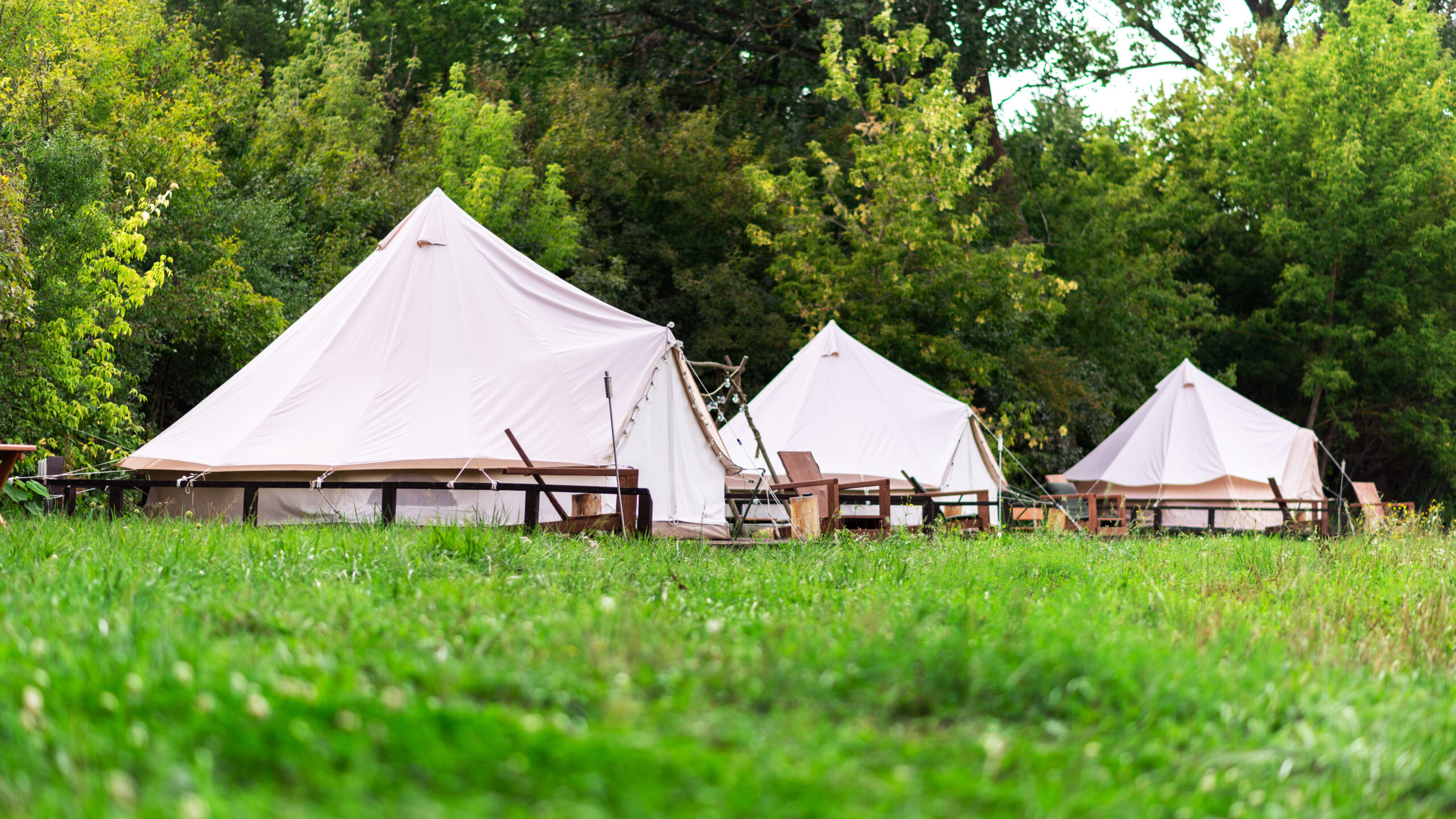
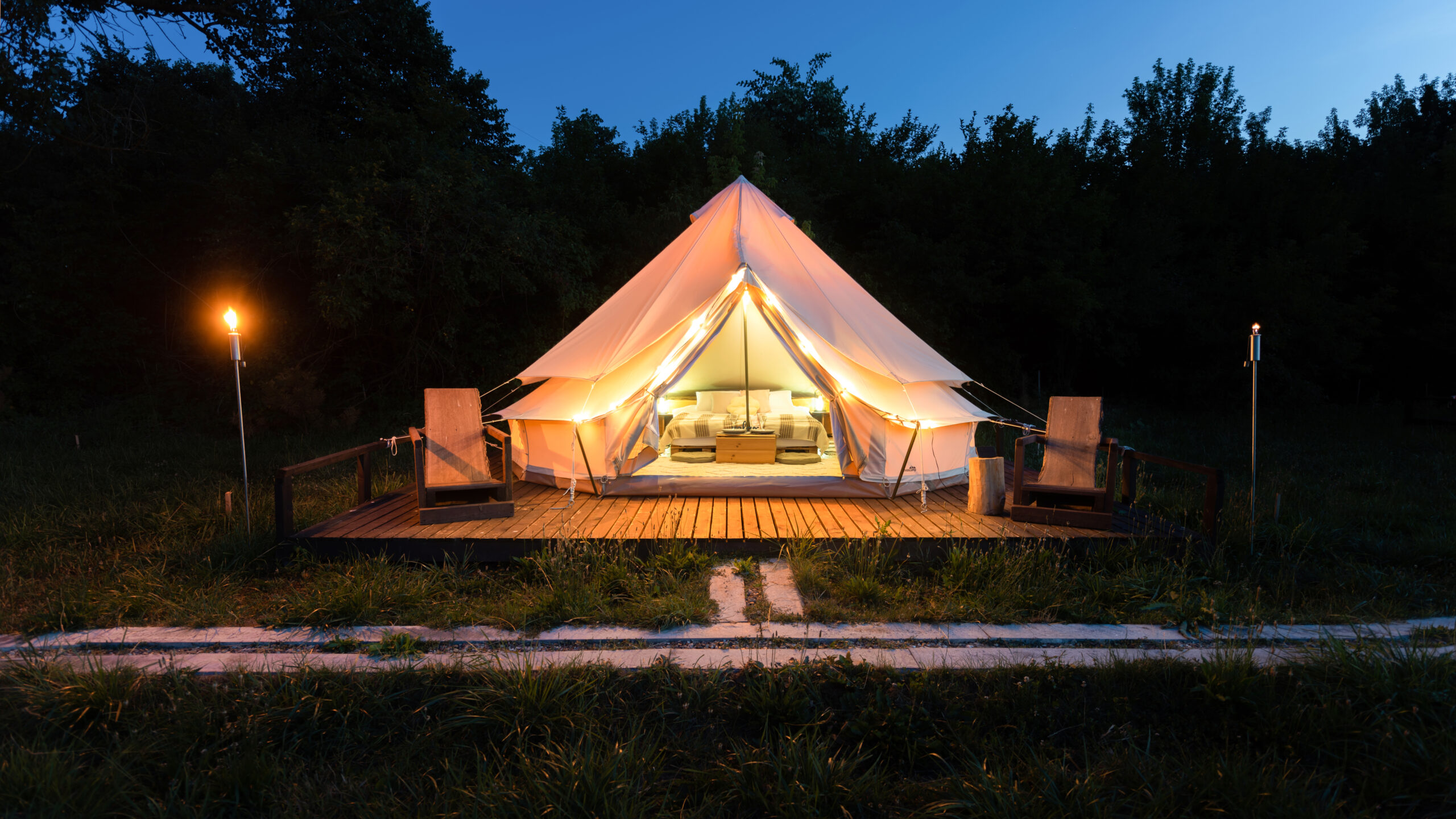
Imagine waking up to birdsong in a canvas yurt, stepping onto a private deck with mountain views, and enjoying your morning coffee while surrounded by pine forests or olive groves. This isn’t a far-flung destination; this is glamping in Cyprus, where the island’s stunning natural landscapes meet comfort, style, and a touch of adventure.

Glamping (glamorous camping) has transformed how travelers experience the outdoors. Gone are the days of uncomfortable sleeping bags and basic facilities. Today’s glamping sites in Cyprus offer everything from geodesic domes with transparent ceilings for stargazing to traditional Mongolian yurts equipped with proper beds, private bathrooms, and even hot tubs.

Whether you’re seeking a romantic escape in the Troodos Mountains, a family adventure near the coast, or a peaceful retreat surrounded by vineyards, Cyprus has a glamping experience waiting for you. This comprehensive guide explores the island’s best glamping destinations, what makes each unique, and everything you need to know to plan your luxury camping adventure.

What Exactly is Glamping and Why Try It in Cyprus?

Glamping combines the best of both worlds: immersion in nature without sacrificing comfort. Unlike traditional camping where you pitch your own tent and rough it, glamping provides pre-set accommodations with real beds, electricity, private facilities, and often additional luxuries like air conditioning, outdoor kitchens, and entertainment areas.

Why Cyprus is Perfect for Glamping:

  • Diverse Landscapes: From the cedar forests of Troodos to coastal olive groves, the island offers varied natural settings within short distances. You can explore mountain trails in the morning and swim at the beach in the afternoon, making it ideal for active travelers.

  • Year-Round Potential: Cyprus’ Mediterranean climate means you can glamp comfortably from March through November, with mild winters making it possible year-round in some locations. The island enjoys over 320 days of sunshine annually, ensuring excellent outdoor conditions.

  • Cultural Richness: Many glamping sites incorporate Cypriot traditions, offering local cuisine, wine tasting experiences, and access to nearby villages and historical sites. This cultural immersion adds depth to the outdoor experience.

  • Accessibility: Most glamping locations are within 60-90 minutes of major airports, making them easy weekend getaway destinations. Whether you’re flying into Larnaca or Paphos, you can be surrounded by nature within an hour.

  • Sustainable Tourism: Many operators emphasize eco-friendly practices, solar power, water conservation, and minimal environmental impact, aligning with growing traveler interest in sustainable tourism.

Where Are the Best Glamping Locations in Cyprus?

Cyprus’ glamping scene spans the entire island, with each region offering distinct experiences and landscapes. Here’s your comprehensive guide to where you can find these unique accommodations.

Troodos Mountains: Alpine Glamping

The Troodos Mountains provide Cyprus’ most dramatic glamping setting. At elevations between 800-1,400 meters, these sites offer cooler summer temperatures, stunning valley views, and proximity to mountain villages, hiking trails, and waterfalls.

1. River Glamping Kalopanayiotis:

Located in the picturesque village of Kalopanayiotis (famous for its UNESCO-listed monastery and thermal springs), this site offers geodesic domes with mountain views. Units include air conditioning, private bathrooms, televisions, and terraces overlooking the Setrachos River valley. The location provides easy access to hiking trails, traditional tavernas, and the village’s historic center.

Kalopanayiotis sits in the heart of the Marathasa Valley, one of Cyprus’ most beautiful wine regions. After a day exploring nature trails, you can sample local wines at nearby wineries or relax in the village’s thermal baths, known since Byzantine times for their therapeutic properties.

2. Agros Glamping Boutique:

Situated in Agros, known for its rose products and traditional sweets, this glamping site features transparent geodesic domes that allow 360-degree views, including spectacular stargazing at night. Accommodations include full kitchenettes, climate control, and modern bathrooms. The elevation (over 1,000 meters) ensures pleasant summer temperatures and occasional winter snow.

Agros village produces the famous Cyprus rose water and rose-based products. Visitors can tour rose distilleries, purchase handmade sweets, and explore mountain trails that showcase the island’s endemic flora. The village maintains its authentic character with traditional stone houses and family-run tavernas.

3. Mountain Glamping Cabin with Kids Playground and Pool (Arakapas):

Perfect for families, this mountain retreat offers cabin-style glamping with an outdoor pool, children’s playground, and barbecue facilities. The accommodation includes a full bedroom, bathroom, living area, and kitchen, combining glamping aesthetics with villa-style amenities.

Arakapas village provides a genuine Cypriot mountain experience. The surrounding area offers hiking opportunities, including trails to nearby Lofou village (one of Cyprus’ most picturesque settlements), and access to the Krasochoria wine villages where you can taste indigenous grape varieties.

Larnaca Region: Coastal and Rural Options

The Larnaca region offers both seaside and countryside glamping, with sites located between the coast and the foothills of the Troodos Mountains.

4. Cyprus Glamping Park (Agios Theodoros):

Just 1.6 km from Maia Beach, this established glamping park offers wooden cabins accommodating up to four people. Each 40-square-meter unit includes a separate bedroom with a double bed, kitchenette, private bathroom, and a sofa that converts to a double bed. The park features gardens, barbecue facilities, and proximity to both beaches and hiking trails. Activities include fishing, cycling, and coastal walks.

The Agios Theodoros area combines rural tranquility with beach access. The nearby coast features several unspoiled beaches with clear waters, while inland trails lead through carob groves and traditional farming landscapes. It’s a 20-minute drive to Larnaca city for dining and shopping.

5. Geometry Park (Agios Theodoros):

This uniquely designed site features geometric-shaped pods with mountain views. Accommodations include units with private terraces, barbecue facilities, and table tennis. The peaceful rural setting offers a quiet escape while maintaining easy access to Larnaca (about 20 minutes) and coastal attractions.

6. Happy Glamping Cy (Agios Theodoros):

Offering air-conditioned units with terraces and mountain views, this site provides free bicycles for exploring the area. Each unit includes a kitchenette with refrigerator and microwave, private bathroom with shower, and balcony. The location allows for hiking, fishing, and swimming activities in the surrounding region.

7. Nirvana Yurts Glamping (Kato Drys):

This spiritual retreat features two connected yurts surrounded by organic gardens, trees, and herb plantings. Accommodations include a relaxation area, fully equipped kitchen, and private bathroom with large shower. The site emphasizes wellness and connection with nature, offering panoramic valley views and a peaceful atmosphere.

Kato Drys village sits in a scenic valley known for its traditional architecture and agricultural heritage. The area is perfect for photography enthusiasts, with stunning sunrise and sunset views over terraced hillsides planted with olive trees and vineyards.

Paphos Region: Coastal and Mountain Diversity

The Paphos region offers glamping options from sea-level coastal sites to elevated mountain locations with spectacular sunset views.

8. Amazing Cyprus Glamping Domes (Paphos):

This site features glamping domes with mountain views, an outdoor pool, garden, terrace, bar, and barbecue facilities. Located 27 km from Aphrodite Hills Golf and 24 km from Paphos International Airport, it combines convenient access with natural surroundings. The domes provide comfortable beds, climate control, and modern amenities.

The location offers easy day trips to Paphos’ archaeological sites including the famous mosaics, medieval castle, and the Tombs of the Kings. You can combine nature retreat mornings with cultural afternoon explorations.

9. Glamping Pod (Prodromos, Polis Chrysochous):

Situated in Prodromos village near Polis Chrysochous, this site offers pods with unobstructed area views, 30 km from Minthis Hill Golf Club. Units feature terraces, seating areas, satellite TV, fully equipped kitchenettes with refrigerators and microwaves, and private bathrooms. Some units include balconies or courtyards, and guests can enjoy barbecue facilities.

Prodromos is one of Cyprus’ highest villages, offering cool mountain air even in summer. The area is known for cherry orchards, apple trees, and access to the Cedar Valley where you can see the endemic Cyprus Cedar trees. Nearby Polis Chrysochous provides coastal dining and beach options.

10. Anatura Glamping (Anarita, Paphos):

Located in Anarita village near the coast, Anatura offers authentic Mongolian yurts with total capacity for 11-16 people. The site includes three main yurts plus Aliya, a new yurt accommodating up to four people. Beds are comfortable, and additional bedding can be added upon request. The location provides proximity to beaches while maintaining a rural, nature-immersed atmosphere.

Anarita sits just inland from Paphos’ coastline, making it possible to enjoy morning hikes through rural landscapes followed by afternoon beach visits. The village retains its traditional character with local coffee shops and family tavernas.

11. Aphrodite Family Eco Camping (Neo Chorio, Paphos):

This eco-camping site offers sea views and family-friendly facilities including a restaurant, bar, and children’s playground. Located in Neo Chorio, it provides affordable camping and glamping options with emphasis on environmental responsibility and family activities.

Neo Chorio is close to the Akamas Peninsula, Cyprus’ wildest and most pristine natural area. From here, you can explore the Avakas Gorge, visit the Baths of Aphrodite, and hike coastal trails with dramatic sea views.

Limassol Region: Vineyard and Forest Settings

Limassol’s glamping sites are often located in the foothills and wine regions, offering access to both mountain activities and coastal attractions.

12. Friendsland Louvaras (Louvaras):

Located in Louvaras village at the foothills of Kakomallis National Forest, this site accommodates up to 20 people across seven tents. The setting emphasizes tranquility, clean air, forest scents, and escaping daily routines while enjoying the natural landscape. It’s ideal for group retreats and family gatherings.

Louvaras is surrounded by the Krasochoria wine villages, Cyprus’ premier wine-producing region. Visitors can tour family-owned wineries, taste local varieties like Maratheftiko and Xynisteri, and purchase bottles directly from producers. The forest trails offer excellent hiking with minimal crowds.

13. GreenLand (Eptagonia):

This thematic park in Eptagonia village offers comprehensive facilities including a massive children’s area with attractions and activities, barbecue facilities, restaurant, sauna and spa, walking trails, fishing pond, glamping house for overnight stays, and a pool with bar. The glamping house costs €240 per day and includes breakfast for two, pool access, private bathroom and shower, children’s sofa, and BBQ grill. Optional extras (additional charge) include sauna, fishing equipment, and restaurant meals.

GreenLand works well for families seeking a resort-style glamping experience with multiple activities on-site. Children can enjoy supervised play areas while adults relax by the pool or explore nearby village attractions.

Famagusta Region: Proximity to Protaras

While the Famagusta region has fewer dedicated glamping sites, its proximity to Protaras makes it an excellent base for exploring eastern Cyprus. The area’s beaches, including Fig Tree Bay and Cape Greco, are among the island’s finest.

14. Yurts in Cyprus (Sarama, Paphos border):

Located in Sarama near the Paphos-Famagusta border, this site features three beautiful authentic Mongolian yurts and a wooden cottage. Each yurt has its own private outdoor shower and toilet, with 50-80 meters distance between units allowing privacy and personal connection with nature. The site provides free Wi-Fi, breakfast, and bicycle rental for area exploration. The valley views are exceptional.

For those staying in Protaras and seeking villa accommodations with similar outdoor-luxury appeal, Seafront Protaras villas offer private pools, spacious gardens, and coastal views, while Protaras apartments provide comfortable bases for day trips to nearby glamping sites.

The Protaras area excels for combining beach holidays with nature escapes. You can base yourself in comfortable seaside accommodation and take day trips to mountain glamping sites, or reverse the arrangement by staying inland and visiting the coast for swimming and water sports.

What Types of Glamping Accommodations Exist in Cyprus?

Accommodation Type Description Best For Typical Amenities
🏔️ Geodesic Domes Transparent or semi-transparent domes for stargazing Couples, Stargazers AC, Real beds, Private bathroom, Kitchen
⛺ Mongolian Yurts Traditional circular tents with wooden frames Groups, Authentic experience Furnished interior, External facilities, Heating
🏡 Wooden Cabins Small wooden structures, more substantial than tents Families, Longer stays Full bedroom, Kitchen, Bathroom, Living space
🔺 Safari Tents Large canvas tents on raised platforms Adventure seekers, Nature lovers Elevated floors, Verandas, Proper beds
🏕️ Glamping Pods Small geometric structures with modern design Solo travelers, Couples Compact, Efficient design, Modern amenities

When is the Best Time to Go Glamping in Cyprus?

Cyprus’ Mediterranean climate makes glamping possible nearly year-round, but each season offers distinct experiences.


  • Spring (March to May): Wildflowers bloom across the countryside, temperatures are comfortable (18-25°C), and hiking trails are at their best. This is ideal for nature photography and outdoor activities. Mountain sites may still be cool at night, requiring warm layers. Spring is particularly beautiful in the Troodos Mountains where endemic orchids and peonies create natural gardens along hiking trails.


  • Summer (June to August): Coastal glamping sites shine during summer, while mountain locations (Troodos, Agros) provide escape from heat. Expect daytime temperatures of 30-35°C on the coast but 20-28°C in mountains. Book well in advance as this is peak season. Summer evenings in mountain yurts are perfect for outdoor dining under the stars, with temperatures cooling to comfortable levels after sunset.


  • Autumn (September to November): Perhaps the best glamping season, autumn offers warm days, cooler nights perfect for campfires, and harvest season for wine-region sites. The landscape takes on golden tones, and crowds thin out after September. This is grape harvest season in the wine villages, and many glamping sites near Limassol and Paphos offer wine-tasting packages that connect you directly with winemakers.


  • Winter (December to February): Higher-altitude sites can experience cold temperatures and occasional snow, creating unique winter glamping opportunities. Coastal and lower-altitude sites remain mild (12-17°C during day). This is low season with better rates and availability. Winter glamping in Troodos can include waking up to snow-dusted pines and crisp mountain air, then warming up by wood stoves or in nearby thermal baths.

What Should You Pack for Glamping in Cyprus?

Item Priority Why You Need It
🥾 Hiking Shoes/Boots ESSENTIAL Most sites have trails and uneven terrain
🧥 Layered Clothing ESSENTIAL Temperature varies between day/night, especially mountains
🔦 Flashlight/Headlamp RECOMMENDED Paths between units can be unlit at night
🧴 Sunscreen & Hat ESSENTIAL Cyprus sun is strong even in mountains
🦟 Insect Repellent RECOMMENDED Rural and forest locations attract mosquitoes
🎒 Daypack RECOMMENDED For hiking and daily excursions
💧 Reusable Water Bottle ESSENTIAL Hydration crucial, eco-friendly approach
🩱 Swimwear OPTIONAL Some sites have pools, others near swimming spots
📷 Camera/Binoculars OPTIONAL Nature photography, birdwatching opportunities
📱 Power Bank RECOMMENDED Some remote locations have limited charging points
🍷 Corkscrew & Bottle Opener OPTIONAL For enjoying local wine under the stars
🧺 Picnic Supplies OPTIONAL For outdoor meals in scenic locations

How Much Does Glamping Cost in Cyprus?

Glamping prices in Cyprus vary significantly based on location, season, amenities, and accommodation type:


  • Budget-Friendly (€70-120 per night): Basic yurts or cabins with shared or external facilities, simpler amenities, typically outside peak season. These options still provide comfortable beds and basic cooking facilities, making them excellent value for nature-focused travelers.


  • Mid-Range (€130-200 per night): Private bathroom, climate control, kitchenette, most amenities included. This is the most common price range. Expect geodesic domes or well-equipped cabins with terraces, barbecue areas, and access to shared facilities like pools or communal spaces.


  • Luxury (€200-300+ per night): Premium locations, hot tubs, pools, gourmet breakfast included, exceptional views, high-end finishes. These sites often include concierge services, organized activities, and resort-style amenities while maintaining the glamping aesthetic.


  • Group Rates: Sites accommodating larger groups (like Friendsland Louvaras) often offer per-person pricing that becomes more economical for families or friend groups. Booking entire sites for events or reunions can provide significant value.


  • Peak vs. Off-Peak: Expect 30-50% higher rates during July-August compared to November-March. Shoulder seasons (April-June, September-October) offer the best balance of weather and value.


For those seeking traditional accommodation with similar comfort levels and outdoor appeal, Seafront Protaras villas offer competitive rates with the added benefits of full kitchens, multiple bedrooms, and private pools. Protaras apartments provide another comfortable option for families or groups exploring both coastal and inland attractions.

What Activities Can You Enjoy While Glamping?

Most glamping sites in Cyprus offer or provide access to outdoor activities that enhance the experience:


  • Hiking and Nature Walks: Troodos sites offer access to nature trails including the Artemis Trail, Atalante Trail, and Caledonia Waterfalls. Coastal sites connect to Cape Greco trails and coastal paths. Many Protaras area hiking trails lead to spectacular sunset viewpoints and secluded coves.


  • Stargazing: The low light pollution in rural Cyprus makes it exceptional for astronomy. Geodesic domes with transparent roofs are specifically designed for this. The Troodos Mountains offer some of the clearest night skies in the Mediterranean, where you can see the Milky Way with the naked eye and identify constellations without light interference.


  • Wine Tasting: Limassol and Paphos region sites often partner with nearby wineries for tours and tastings of Cyprus’ indigenous grape varieties. The Cyprus wine routes connect dozens of family-owned wineries producing Commandaria (the world’s oldest named wine), Maratheftiko, Xynisteri, and other local varieties.


  • Village Exploration: Most glamping locations are near traditional villages where you can experience authentic Cypriot culture, local tavernas, and handicraft shops. Villages maintain centuries-old traditions including lacemaking, pottery, basket weaving, and traditional sweet-making.


  • Wildlife Watching: Cyprus is home to mouflon (wild sheep), endemic birds, and seasonal butterflies. Spring and autumn are best for birdwatching. The island hosts over 370 bird species, including flamingos in salt lakes, griffon vultures in the mountains, and numerous migratory species passing between Europe and Africa.

Final Thoughts: Why Glamping is Cyprus’ Perfect Outdoor Experience

Glamping in Cyprus offers something truly special: the opportunity to deeply connect with the island’s remarkable natural beauty without sacrificing comfort or convenience. Whether you’re watching the sunrise from a mountain yurt, stargazing through a geodesic dome’s transparent ceiling, or falling asleep to the sound of pine forests rustling in the breeze, glamping creates memories that standard hotels simply cannot match.

The diversity of Cyprus’ glamping scene means there’s an experience for everyone. Adventure seekers can wake up to mountain trails at their doorstep. Families can enjoy spacious cabins with pools and play areas. Couples can find romantic seclusion in thoughtfully designed domes with panoramic views. Solo travelers can discover peaceful retreats for reflection and rejuvenation.

What makes Cyprus particularly special for glamping is how accessible these experiences are. Within an hour’s drive from any major town, you can be completely immersed in nature, yet never far from the comforts of civilization, traditional villages, excellent tavernas, and cultural sites. The island’s compact size means you can combine mountain glamping with beach days, creating diverse itineraries that showcase Cyprus’ varied landscapes.

We can help

Frequenlty Asked Questions

Yes, many sites are family-friendly. Look for options like Mountain Glamping Cabin (Arakapas) with playgrounds and pools, or larger cabins at Cyprus Glamping Park. However, some romantic dome sites are better suited for couples. Always check age policies and child amenities before booking. Sites with multiple units often work well for multi-generational families traveling together.

Highly recommended. Most glamping sites are in rural locations not well-served by public transport. Having a car allows you to explore nearby villages, hiking trails, beaches, and restaurants. Some sites offer pickup services from nearby towns for an additional fee. Car rental in Cyprus is affordable, and driving conditions are generally good except for some steep mountain roads.

Typically includes the accommodation, bedding, towels, and basic amenities. Breakfast may or may not be included (check listings). Additional costs might include activities, spa services, special meals, or transfers. Always clarify inclusions before booking. Some sites include firewood, barbecue equipment, and welcome baskets with local products.

Pet policies vary by site. Some welcome dogs (especially rural locations), others don’t allow pets due to proximity to wildlife or other guests. Always ask directly about pet policies and any associated fees. Pet-friendly sites may require pets to be leashed in common areas.

Most sites have WiFi, though speed and reliability can vary in remote locations. Some sites intentionally offer limited connectivity to encourage digital detox. If you need reliable internet for work, confirm before booking. Many guests appreciate the opportunity to truly disconnect.

Modern glamping sites in Cyprus typically provide private ensuite bathrooms with showers. Some traditional yurt sites have external private bathrooms. Shared facilities are rare except at budget eco-camping sites. Bathrooms usually include hot water, flush toilets, and basic toiletries.

Christmas in Protaras: Cypriot Traditions & Things to Do in December

The Mediterranean shimmers under December’s gentle sun as the scent of cinnamon and honey wafts through Protaras’ streets. While Northern Europe shivers under snow, Cyprus celebrates Christmas with a unique blend of Orthodox traditions, warm sunshine, and seaside magic that transforms this corner of the island into something truly special.

If you’re wondering whether Protaras is worth visiting during the festive season, or what makes a Cypriot Christmas different from anywhere else in the world, you’re in the right place. This isn’t just another list of tourist activities. This is your insider guide to experiencing Christmas in Protaras the way locals do, while also enjoying everything this stunning coastal town has to offer in December.

How does Cyprus celebrate Christmas?

Before we explore what makes Protaras special during the holidays, it helps to understand how Cyprus celebrates Christmas. The island follows Orthodox Christian traditions, which means the festive season unfolds differently than you might expect.

The 40-Day Fast and the Feast

For devout Cypriots, Christmas preparations begin 40 days before December 25th with a period of fasting. This isn’t about deprivation; it’s about anticipation. The fast traditionally excludes meat, dairy, and eggs, making the Christmas feast all the more spectacular when it finally arrives.

On Christmas Day, families break the fast with a bowl of avgolemono (egg-lemon soup), followed by a magnificent spread featuring stuffed turkey with rice, raisins, and pine nuts, alongside traditional delicacies like koupepia (stuffed vine leaves), slow-cooked lamb, and plenty of Cypriot wine. The table groans under the weight of dishes passed down through generations.

Christmas Eve: The Night of Carols

The evening of December 24th belongs to the children. Groups of young carol singers, called kalandistes, roam neighborhoods carrying triangles and small drums. They sing traditional carols like “Kalanda” and “Kalispera Archontes” (Good Evening, Masters), songs that date back centuries and are sung only in Cyprus.

It’s customary to reward the carolers with small coins, sweets, or traditional treats like melomakarona (honey cookies) and kourabiedes (almond shortbread dusted with powdered sugar).

If you’re staying in Protaras during Christmas Eve, don’t be surprised if you hear these cheerful voices outside your villa or apartment. It’s one of the most authentic experiences you can have. The tradition creates a sense of community and joy that’s increasingly rare in our modern world.

Ayios Vasilis and New Year’s Day

While December 25th is celebrated as the birth of Christ, gift-giving in Cyprus traditionally happens on New Year’s Day, brought by Ayios Vasilis (Saint Basil). Many modern Cypriot families now exchange gifts on both days, blending tradition with Western influences.

On New Year’s Eve, families cut the Vasilopita, a special cake with a coin baked inside. Whoever finds the coin in their slice is believed to have good luck for the entire year ahead. It’s a moment of anticipation and excitement, especially for children gathered around the table.

The Extended Celebration: Until the Epiphany

Christmas in Cyprus doesn’t end on December 26th. The festive spirit continues through New Year and extends until January 6th, the Epiphany (Theofania).

This is when priests bless the waters by throwing a cross into the sea, and brave swimmers dive in to retrieve it. A spectacular tradition you can witness in nearby Ayia Napa’s harbor. The retriever is said to receive special blessings for the year.

What’s the Weather Like in Protaras During December?

One of Protaras’ biggest advantages during Christmas is the weather. While it’s not swimming-in-the-sea warm, December in Protaras offers something increasingly rare in Europe: genuine outdoor weather during winter.

Category Average Range Comment
🌡 Daytime Temperature 17 °C 16 – 18 °C Perfect for outdoor exploring
🌙 Night Temperature 11 °C 10 – 12 °C Light jacket needed
🌊 Sea Temperature 20 °C 19 – 20 °C Too cool for most swimmers
☀️ Sunshine 6 hrs/day 5 – 7 hrs Plenty of daylight hours
🌧 Rainfall 75 mm total 7 – 9 rainy days Mostly short showers
💨 Wind Speed 12 km/h light breeze Gentle coastal winds
🌡 UV Index 3-4 moderate Sunscreen still recommended
💧 Humidity 65-70% comfortable Lower than summer's 75-85%

You’ll need a light jacket for evenings and potentially a sweater during the day, but you can comfortably explore outdoors, dine on restaurant terraces, and enjoy beach walks. Many visitors from Northern Europe find this climate absolutely perfect for a Christmas escape: warm enough to be outside, cool enough to feel festive.

Similar to November’s pleasant conditions, December maintains that comfortable Mediterranean winter character.

What Can You Do in Protaras During Christmas?

Experience the Deryneia Christmas Village

Protaras’ neighbor, Deryneia, is officially designated as one of Cyprus’ Christmas Villages for the 2025-2026 season. Located just a 15-minute drive from Protaras, this village transforms into a festive wonderland from November 22nd through January 6th.


What You’ll Find:

  • Traditional Christmas market stalls selling local crafts, handmade ornaments, and Cypriot delicacies

  • Live music and cultural performances on weekends

  • Street food vendors offering loukoumades (honey puffs), roasted chestnuts, and warm glühwein

  • Activities for children including face painting, craft workshops, and visits with Santa Claus

  • Festive decorations illuminating the village’s charming streets

  • Local artisans demonstrating traditional crafts


Pro Tip: Visit on a Saturday evening when the village is most lively. The atmosphere peaks around 6-8 PM when locals mingle with tourists, children run through the streets with sparklers, and the smell of grilled halloumi fills the air. Park on the outskirts and walk in, as parking in the village center becomes difficult during peak hours.

Explore Cape Greco National Forest Park

December is arguably the best time to explore Cape Greco. The summer crowds have vanished, and temperatures are perfect for hiking without the intense heat.


Christmas-Season Activities:

  • Hiking the Nature Trails: The cooler weather makes the 2-3 hour coastal trails comfortable. The sea caves, natural rock bridges, and cliff-top views are spectacular under winter light. Look for the famous “Love Bridge” and the sea caves where you can hear the waves echo.

  • Cycling Routes: Rent bikes and explore the park’s designated cycling paths. Several rental shops in Protaras offer mountain bikes suitable for the terrain.

  • Picnicking: Pack a festive picnic with Cypriot meze and local wine. The park has designated picnic areas with stunning sea views, perfect for a Christmas Day alternative celebration.


The park remains open year-round, completely free, and offers some of the most pristine coastal scenery in Cyprus. It’s one of the best sunset spots near Protaras for capturing that golden winter light.

Beach Walks and Coastal Experiences

While it’s too cool for beach lounging and swimming in December (though some hardy souls do brave it), Protaras’ beaches take on a different, quieter beauty in winter.

  • Fig Tree Bay in December: The island’s most famous beach becomes peacefully serene. Walk the shoreline without summer crowds, collect shells, watch fishing boats bobbing in the harbor, and enjoy unobstructed views of the turquoise water.

  • Konnos Bay: This sheltered cove surrounded by pine-covered hills is breathtaking in winter. The contrast between the green hills, golden sand, and blue sea is more visible without hundreds of sun umbrellas. It’s about 10 minutes south of Protaras and worth the short drive.

These peaceful beach walks are perfect for couples seeking romantic moments, with the winter sun creating that soft, magical light.

Christmas Markets and Festive Events

While Protaras itself is quieter during winter, nearby cities host impressive Christmas markets worth the short drive:

  • Larnaca Christmas Market (30 minutes from Protaras): Usually held in early December in St. Lazarus Square with over 200 stalls selling handicrafts, artisan foods, and unique gifts. Entry fee is typically around €2.50 (free for children under 12). Expect live entertainment, children’s activities, photo opportunities with Santa, traditional Cypriot treats, and mulled wine. The market usually runs for one weekend, Friday through Sunday.

  • Christmas Wonderland at Larnaca Finikoudes (30 minutes from Protaras): This family-friendly amusement park with rides, games, and entertainment operates from late October through early January. Particularly suitable for children aged 3-8, featuring festive food stalls and sweet treats. Located right on the beachfront promenade, you can combine it with a seaside walk.

Traditional Cypriot Dining Experiences

Most restaurants in Protaras remain open during the Christmas season, offering both traditional Christmas menus and regular Mediterranean cuisine.


What to Try:

  • Traditional Christmas Lunch: Many tavernas offer special Christmas Day menus featuring roasted turkey or pork stuffed with rice, raisins, and nuts, alongside traditional sides like roasted potatoes with oregano and seasonal vegetables.

  • Fresh Seafood: The fishing industry doesn’t pause for Christmas. Enjoy fresh fish, octopus, and calamari at waterfront restaurants. December is excellent for grouper, sea bream, and red mullet.

  • Meze Experience: Order a full Cypriot meze (18-20 small dishes) to sample everything from halloumi and olives to slow-cooked lamb and village sausages. It’s the best way to try multiple traditional dishes.

  • Christmas Sweets: Don’t leave without trying melomakarona (honey-soaked spiced cookies) and kourabiedes (butter almond cookies with powdered sugar). Most cafes and bakeries make fresh batches daily during the season.

  • Restaurant Tip: Book ahead for Christmas Eve and Christmas Day, as many locals also dine out during the holidays. However, be aware that some establishments close for December 25-26, so always confirm opening hours in advance. Waterfront tavernas generally have the most festive atmosphere.

Day Trips from Protaras

Protaras serves as an excellent base for exploring the surrounding region during Christmas. Here’s a quick comparison of the best day trip options:

Destination Distance Drive Time Best For Main Attractions
🏘️ Lefkara Village 93 km 1 hr 15 min Shopping, Culture Lace crafts, Silver, Christmas Village
🏖️ Ayia Napa 10 km 15 min Dining, Quick trip Medieval Monastery, Harbor, Sculpture Park
⛰️ Troodos Mountains 165 km 2 hr 15 min Snow, Mountain villages Kakopetria, Omodos, Skiing (some years)
🎄 Larnaca 61 km 50 min Markets, Events Christmas Market, Finikoudes, St. Lazarus Church
🏘️ Deryneia 12 km 20 min Christmas Village Market stalls, Live music, Santa visits

Why Choose Protaras for Your Christmas Holiday?

Authentic Cultural Experience

Staying in Protaras during Christmas gives you access to genuine Cypriot traditions. You’re not experiencing a manufactured “tourist Christmas.” You’re witnessing how real Cypriot families celebrate, from the carol singers to the family feasts to the religious services.

The proximity to Deryneia, a traditional village rather than a resort town, means you can easily slip between relaxing beach-town vibes and authentic village culture. Similar to the cultural festivals throughout the year, Christmas brings out Cyprus’ most authentic character.


Better Value for Money

December is low season in Cyprus, which translates to significant savings:

  • Villa and hotel rates can be 30-50% less than summer peak

  • Better availability with no need to book months in advance

  • More personalized service with fewer tourists

  • Car rental prices drop significantly, sometimes under €30 per day with full insurance


Perfect for Different Travel Styles

  • Families: Safe, shallow beaches for supervised winter beach play, plenty of outdoor space for children to explore, festive activities specifically designed for families, and villa accommodation or apartments providing space and kitchens for flexible meal times.

  • Couples: Quieter, more intimate atmosphere with stunning sunset walks along nearly empty beaches and cozy taverna dinners without crowds.

  • Solo Travelers: Welcoming local atmosphere, easy navigation, safe environment, and opportunities to meet both locals and other travelers in the more intimate off-season setting.

How Should You Plan Your Christmas Trip?

Protaras serves as an excellent base for exploring the surrounding region during Christmas. Here’s a quick comparison of the best day trip options:

Item Priority Why You Need It
🧥 Light Jacket/Cardigan ESSENTIAL Evenings drop to 10-12°C
🧴 Sunscreen (SPF 30+) ESSENTIAL UV index 3-4, still strong in December
👟 Comfortable Walking Shoes ESSENTIAL Hiking Cape Greco, village exploring
👖 Long Pants & Long Sleeves ESSENTIAL Church visits, cooler days, evenings
🕶️ Sunglasses ESSENTIAL 6 hours of daily sunshine
🩱 Swimsuit RECOMMENDED Heated villa pools, brave sea swimmers
🧥 Light Rain Jacket RECOMMENDED 7-9 rainy days possible, mostly short showers
☂️ Small Umbrella OPTIONAL Backup for unexpected rain
🎒 Day Backpack RECOMMENDED Day trips, hiking, beach visits
📱 Phone Charger & Adapter ESSENTIAL Cyprus uses UK-style plugs (Type G)
💊 Basic Medications RECOMMENDED Some pharmacies closed Dec 25-26
👗 Smart-Casual Outfit OPTIONAL Nice restaurants, Christmas Day meals

What Are the Best Christmas Itineraries?

3-Day Christmas Getaway

Day 1 (December 24, Christmas Eve)

  • Morning: Arrive and settle into accommodation, quick grocery shop if needed

  • Afternoon: Explore Cape Greco National Forest Park, short coastal hike

  • Evening: Visit Deryneia Christmas Village, experience carol singers back in Protaras


Day 2 (December 25, Christmas Day)

  • Morning: Leisurely breakfast, beach walk at Fig Tree Bay

  • Midday: Traditional Christmas lunch at taverna (pre-booked)

  • Afternoon: Relaxation at villa, pool time, reading by the sea

  • Evening: Light dinner


Day 3 (December 26)

  • Morning: Day trip to Lefkara Christmas Village

  • Afternoon: Wine tasting at local winery on return journey

  • Evening: Fresh seafood dinner at Ayia Napa harbor, explore the medieval monastery


5-Day Extended Christmas Holiday

Add to the 3-day itinerary:

Day 4: Larnaca Christmas Market and Christmas Wonderland (if dates align), explore Larnaca’s palm-lined Finikoudes promenade and St. Lazarus Church

Day 5: Ocean Aquarium Protaras, lunch at Konnos Bay, afternoon at different beaches (Sunrise Beach, Pernera), farewell dinner at favorite taverna discovered during the trip

Final Thoughts: A Different Kind of Christmas Magic

Christmas in Protaras isn’t about icy wonderlands, bustling European markets, or traditional winter scenes. It’s about something different: a unique fusion of ancient Orthodox traditions, Mediterranean warmth, family-centered celebrations, and the rare luxury of outdoor winter activities under blue skies.

It’s about morning walks on empty beaches where the only footprints are yours, afternoon hikes under winter sun, and evenings filled with the scent of honey cookies and cinnamon. It’s carol singers at your door singing songs their grandparents sang, traditional feasts in family tavernas where recipes haven’t changed in generations, and the peaceful rhythm of a coastal town that’s returned to its authentic self.

The Mediterranean doesn’t freeze in December. It simply slows down, breathes, and reveals its most genuine character. For travelers seeking something beyond the conventional Christmas experience, Protaras offers a holiday that’s both relaxing and culturally enriching, both familiar in its festive spirit and exotic in its Mediterranean setting.

Ready to experience Christmas in Protaras? Browse our collection of seafront villas and apartments featuring heated pools, full kitchens for preparing Christmas feasts, and stunning sea views for memorable holiday moments. December rates offer exceptional value. Book now to secure your Mediterranean Christmas escape and discover why so many visitors return year after year for this unique seasonal experience. Dont forget to use Promo Code BLACKFRIDAY10.

We can help

Frequenlty Asked Questions

No, December is low season. You’ll find significantly fewer tourists than summer, creating a peaceful, authentic atmosphere where you can actually interact with locals and enjoy attractions without queues.

The sea temperature hovers around 19-20°C (66-68°F), which most people find too cold for comfortable swimming. However, many villas offer heated pools, and some brave visitors do swim in the sea. It’s refreshing rather than relaxing!

Most restaurants and shops operate normally throughout December, but many close on December 25-26. Always confirm opening hours in advance for these specific dates. Supermarkets also have reduced hours or close on Christmas Day, so stock up on December 24th.

Pack layers: light jacket for evenings, long-sleeve shirts, comfortable walking shoes, and sunscreen. The weather is mild during the day (16-18°C) but cools down at night (10-12°C). Bring a swimsuit for heated villa pools.

December is low season, so you have more flexibility than summer. However, Christmas week (December 23-27) can book up, especially popular villas. Booking 4-6 weeks in advance ensures good selection and rates.

While coastal Protaras doesn’t get snow, the Troodos Mountains (90 minutes away) often have snow in December and January. You can take a day trip to experience a completely different, alpine side of Cyprus.

Very much so. The calm beaches, outdoor spaces, villa accommodations with kitchens, and family-friendly activities make it ideal for children. Christmas Villages offer specific activities for kids, and the mild weather means children can play outdoors comfortably.

Protaras is quiet compared to summer. Most nightlife action happens in nearby Ayia Napa (15 minutes away), which maintains more energy even in winter. However, several bars and pubs in Protaras remain open for casual evening drinks.

Protaras Weather in November: Your Complete Guide

When the summer rush fades, Protaras shifts into its most authentic and gentle mood. The air cools just enough to breathe easily, the Mediterranean stays warm, and the coastline feels private again.

For locals, November is when the island belongs to them. A time for slow breakfasts by the sea, wine tastings inland, and barefoot walks without the glare of August. You’ll see Cypriot families gathering at tavernas for Sunday lunches that stretch into late afternoon, fishermen mending nets without the pressure of tourist season, and shop owners finally having time to chat over coffee.

For travellers, it’s the chance to discover what Cyprus really feels like when it’s not trying to impress anyone. This is when you can have a genuine conversation with a taverna owner about his grandmother’s recipes, watch the sunrise from Fig Tree Bay without sharing it with hundreds of others, and experience the Cyprus you’ve heard about in stories.

November also marks the olive harvest season in nearby villages. You might encounter locals pressing olive oil using traditional methods, an experience that connects you to millennia of Mediterranean culture.

Ready to experience authentic Cyprus? Browse our available properties.


1. November Weather: The Numbers Behind the Calm

Category Average Range Comment
🌡 Daytime Temperature 23 °C 20 – 25 °C Warm enough for beach time
🌙 Night Temperature 15 °C 13 – 17 °C Light jacket needed
🌊 Sea Temperature 22 °C 21 – 23 °C Ideal for swimming
☀️ Sunshine 8 hrs/day 7 – 9 hrs 60% of daylight is sunny
🌧 Rainfall 34 mm total 3 – 5 rainy days Mostly short showers
💨 Wind Speed 8 km/h light breeze Gentle offshore winds
🌡 UV Index 5-6 moderate Sunscreen still essential
💧 Humidity 55-60% comfortable Much lower than summer's 70-80%

What This Means in Practice:

Swimming remains comfortable until late November. Sea temperatures are higher than southern Spain at the same time of year, and comparable to the Greek islands in early September. Humidity drops below 60%, making outdoor walks, cycling, or hiking far more pleasant than summer. You won’t experience that sticky feeling that makes July and August uncomfortable.

Early November typically offers more settled weather, while late November can see brief afternoon showers that clear within an hour or two, leaving behind sparkling clean air. The wind patterns shift in November. Instead of strong summer winds, you get gentle offshore breezes that create mirror-like conditions in protected bays. This is why local sailors and paddleboarders actually prefer this month.

2. Comparison with Other Mediterranean Destinations

Destination Avg Day Temp (°C) Avg Sea Temp (°C) Rain Days Flight Time from UK
🇨🇾 Protaras (Cyprus) 23 22 4 4.5 hours
🇬🇷 Crete (Greece) 20 21 6 4 hours
🇪🇸 Mallorca (Spain) 18 20 8 2.5 hours
🇹🇷 Antalya (Turkey) 21 22 6 4.5 hours
🇲🇹 Malta 20 21 7 3.5 hours

Cyprus consistently ranks among the warmest and driest parts of Europe in late autumn. The island’s eastern position and southern latitude give it a climatic advantage over western Mediterranean destinations.

Flight prices drop by 30-40% compared to summer, yet the weather remains genuinely beach-friendly. A week-long November holiday in Protaras typically costs 40-50% less than the same trip in July or August.

3. What It’s Like Day-to-Day

Mornings (7 – 11 a.m.)

Clear skies, 19 – 21 °C. The golden hour extends later into the morning in November, perfect for photography along the coastal path.


Ideal for:

  • Walking the promenade from Fig Tree Bay to Vrissiana Beach (approximately 3 km)

  • Hiking Cape Greco National Forest Park before it gets warm

  • Morning swims in Konnos Bay when the water is glassy

  • Cycling the coastal route to Ayia Napa (flat, well-maintained, 8 km)

  • Visiting local bakeries when fresh bourekia comes out around 8 a.m.


Local Tip: Stop at a traditional kafeneion around 9 a.m. You’ll find elderly Cypriot men gathered for morning coffee, often playing backgammon. Many welcome curious visitors and share stories about old Protaras.


Afternoons (11 a.m. – 4 p.m.)

Peak warmth at 23–24 °C, perfect for swimming or snorkelling. The sea is at its calmest around noon.


Ideal for:

  • Swimming sessions without summer crowds

  • Snorkelling at Green Bay (Thalassa Museum nearby)

  • Long lunches at seafront tavernas

  • Stand-up paddleboarding or kayaking (rentals often discounted)


What You’ll Notice: Restaurant staff are noticeably more relaxed and conversational. You’ll often end up chatting with owners about where they source their fish or their grandmother’s secret souvlaki marinade.


Evenings (5 – 9 p.m.)

Sunset around 5:00 p.m., temperatures drop to 16–18 °C. Locals light candles on terraces; tavernas fill with soft chatter instead of music.


Ideal for:


Cultural Note: November evenings often feature spontaneous live music in tavernas. Locals bring guitars or bouzoukis and play traditional Cypriot songs. These “parea” gatherings welcome visitors.

 4. Sea Conditions in Detail

November’s sea surface temperature averages 22 °C, with excellent clarity (15–20 m visibility). This is warmer than the Atlantic Ocean off Cornwall ever gets, even in peak summer. Because wind patterns shift offshore, the water near Green Bay and Fig Tree Bay becomes glassy, creating perfect conditions for underwater photography.


Swimming Details:

  • Best time: 11 a.m. – 3 p.m., when the sun has warmed the surface

  • Visibility: Among the best of the year, often 20+ meters

  • Marine life: Parrotfish, wrasse, and octopus sightings increase. You might spot damselfish, sea bream, and occasionally small groupers

  • Wave conditions: Rarely exceed 0.5 meters in protected bays

  • Dolphins: Early mornings sometimes bring sightings offshore


For Serious Swimmers: November water temperature (21-23°C) is optimal for endurance swimming. Several local groups organize early morning sea swims. Visitors are welcome to join, often finishing with coffee at a beachside café.

5. What to Pack (and What Locals Actually Wear)

Item Reason
Light cottons & swimwear Still beach weather mid-day
Light sweater or denim jacket Evenings dip below 17 °C
Trainers / hiking shoes Cape Greco trails, limestone can be slippery
Sunglasses & sunscreen UV Index 5–6 at noon
Compact umbrella Short showers, or just duck into a café
Reusable water bottle Tap water is drinkable
Light scarf Versatile for evenings, restaurants, or churches
Comfortable sandals Beach to taverna transitions
Small backpack Day trips to villages or hikes

What You Don’t Need: Heavy winter clothes, formal dinner attire (Protaras remains casual), beach umbrellas (rentals available), multiple pairs of shoes.

Laundry Note: Most villas have washing machines, and clothes dry quickly. Pack light and do laundry mid-trip.

6. Things to Do in Protaras in November

Explore Cape Greco Without the Heat

Cape Greco National Forest Park transforms in November. Trails that are punishing in summer heat become pleasant rambles.


Why November is Better:

  • Temperatures peak at 23°C instead of 35°C+

  • Wildlife emerges: Cyprus warblers, migrating birds of prey

  • Wildflowers begin their autumn bloom (cyclamen, autumn crocuses)

  • Photography: The Mediterranean turns deeper blue

  • You’ll encounter nature lovers rather than beach crowds


Suggested Route: Start at Konnos Bay, walk to the sea caves (45 minutes), continue to Agioi Anargyroi chapel (30 minutes), then loop back via coastal path. Total: 2-3 hours. Afterwards, reward yourself with a spa treatment from our Massages & Wellness Service.


Drive Inland for Wine & Village Life

The mild climate is perfect for day trips through the Troodos foothills. Vineyards remain active with late harvest work, and winemakers actually have time to talk.


November Highlights:

  • Participate in traditional grape pressing

  • Cellar doors are quieter; tastings become conversations

  • Village squares host autumn festivals celebrating new oil and wine

  • Many wineries offer special November pricing


Recommended Villages:

  • Omodos (90 minutes): Cobbled streets, historic monastery, family wineries

  • Lofou (85 minutes): Restored village with artisan shops

  • Tochni (35 minutes): Closer option with authentic village life


Wine Varieties to Try:

  • Xynisteri (indigenous white, crisp and mineral)

  • Maratheftiko (indigenous red, comparable to Syrah)

  • Commandaria (sweet wine with 5,000-year history)

Discover Cyprus wineries 


Reconnect as a Couple

Private beaches, candle-lit dinners, and long walks under clear skies make November surprisingly romantic.


Romantic Experiences:


Why Couples Choose November:

  • Genuine privacy (60-70% fewer tourists)

  • Restaurants offer window seats without advance booking

  • Villa pools are yours alone (heated options available)

  • Staff remember your names after one visit

Discover our full guide of things to do in protaras for couples. 


Catch the Autumn Cultural Calendar

Small Saint Andrew’s Day celebrations and local harvest fairs appear across nearby villages. These authentic, music-filled evenings delight locals when visitors show interest.


November Cultural Events:

  • Olive Festival (early November): Traditional pressing demonstrations, folk dancing

  • Tsiakkas Winery Festival (mid-November): Wine, meze, live traditional music

  • Saint Andrew’s Day (November 30): Religious celebrations, communal feasts

  • Souvlaki Festivals: Village grilling competitions

Explore the full cultural calendar


Photograph November Light

With lower humidity, sunsets look sharper and more saturated. Professional photographers specifically choose November for Cyprus shoots.


Best Photography Locations:

  • Cape Greco Sea Caves: 4:45 p.m.

  • Profitis Elias Church hilltop: 4:30 p.m.

  • Konnos Bay viewpoint: 4:40 p.m.

  • Fig Tree Bay from north end: 5:00 p.m.

Find the best sunset spots

7. Best Villas & Apartments to Stay in Protaras in November

All our properties remain open year-round with full amenities (Wi-Fi, heating, concierge services that become more personal in off-season).

Villas for Rent in Protaras, Cyprus

Ideal for: Families or friends wanting privacy, gardens, private pools (many heated), and direct sea access.


November Advantages:

  • Better value compared to peak summer season

  • Properties booked solid all summer become available

  • Pools to yourselves (heating available)

  • Full kitchens for cooking with fresh market produce

  • Spacious gardens and terraces for outdoor dining


Apartments for Rent in Protaras, Cyprus

Perfect for: Couples and solo travellers seeking coastal views and easy walks to cafés.


November Advantages:

  • Exceptional value compared to summer months

  • Uninterrupted sea views

  • Walking distance to restaurants and supermarkets

  • Quieter buildings mean more peaceful stays

  • Easier parking


Wellness Add-Ons

Combine your stay with wellness services:


We can help

Frequenlty Asked Questions

No. Approximately 60-70% of businesses remain open, including all supermarkets, most bakeries and cafés, key tavernas, car rental agencies, and pharmacies.

Yes. The water averages 22°C (72°F), warmer than UK coastal waters in peak summer. Locals swim well into December. Best swimming between 11 a.m. and 3 p.m.

November sees 3-5 rainy days per month on average, with short showers (30 minutes to 2 hours) rather than all-day rain. Total rainfall: 34mm (London averages 68mm in November). Storms usually occur mid to late afternoon and clear quickly.

Between 11 a.m. and 3 p.m., when you’ll experience full 23-24°C temperatures and calmest sea conditions.

Yes. Its mix of luxury villas, intimate dining, beautiful beaches, and romantic experiences makes it one of the top honeymoon destinations in Cyprus.

Best Cyprus Wineries Near Protaras: Your Complete Guide


Planning a wine adventure from Protaras? Cyprus offers some of the Mediterranean’s most authentic wine experiences, from boutique mountain wineries to ancient monastery cellars. Located just 45-90 minutes from your Protaras base, these hidden wine gems provide the perfect day trip combining history, culture, and exceptional tastings.

You already know Cyprus for its sunlit beaches and delicious meze—but there’s another side to this island, one where wine flows with history and village spirit. From slate-roofed wineries in the Troodos Mountains to centuries-old traditions reborn in boutique cellars, Cyprus offers a wine culture that’s as layered as its landscapes.

Tsiakkas Winery – High-Altitude Excellence

Location: 88 Ampelonon Street, Pelendri 4878, Limassol

Distance from Protaras: 90 minutes via A1

Specialty: Cyprus’s highest vineyards (up to 1,460 meters) and organic cultivation

Best for: Wine connoisseurs seeking premium terroir expressions


Quick Facts:

  • Operating Since: 1988 (founded by Costas and Marina Tsiakkas)

  • Production: 230,000 bottles annually from 13 hectares

  • Opening Hours: Monday-Saturday 10:00-16:30, Sunday closed

  • Contact: +357 96 844111 | contact@tsiakkaswinery.com

  • Certifications: Organic since 1995, EMAS certified 2012

  • Current Generation: Led by Orestis and Ektoras Tsiakkas


Located in the “biodiverse Pitsilia winemaking region,” Tsiakkas Winery operates “the highest vineyard in Cyprus” at 1,460 meters altitude. The cold winters and cool summers create ideal conditions for producing quality grapes, with vineyards ranging from “Agros village, with an altitude of 1500 meters, to Petralona.”


What to Expect: Guided winery tours through barrel room and production areas, curated 5-wine tastings showcasing recent bottlings and experimental wines, discussions about organic cultivation principles, and spectacular mountain views. Experience includes explanation of indigenous varieties like Xynisteri, Maratheftiko (Bambakada), and Yiannoudi, plus their renowned Commandaria and Zivania.

Ktima Gerolemo – Organic Pioneer in Omodos

Location: 1km north of Omodos village, Limassol

Distance from Protaras: 60 minutes via A1

Specialty: Organic wine production and comprehensive wine portfolio

Best for: Families and wine enthusiasts seeking diverse tasting experiences


Quick Facts:

  • Operating Since: 1989 (reopened with modern facilities)

  • Production: 960,000 bottles annually

  • Altitude: 900 meters above sea level

  • Contact: +357 99 696025 | ktimagerolemo@gmail.com

  • Experiences: Wine tours, brunches, private events, weddings

  • Languages: Greek, English


Ktima Gerolemo spans “127 acres of countryside” and offers visitors an introduction to “the principles of organic cultivation of the vine and the ‘secrets’ of wine.” The winery produces an extensive range including white wines (Morokanella, Xynisteri, Spourtiko), red wines (Maratheftiko, Cabernet Sauvignon, Giannoudi), rosé wines, dessert wines including Commandaria, and even orange wine.


What to Expect: Modern family winery tour, extensive wine portfolio tasting, organic vineyard principles explanation, and opportunity for special events like “Wine Brunching Sundays.” The winery offers “cozy ambience, excellent service” with “genuinely friendly” owners and staff who provide comprehensive wine education.

Fikardos Winery – Award-Winning Family Tradition

Location: 22 Michalaki Savvidi, Mesogi Industrial Area, Paphos

Distance from Protaras: 75 minutes via A1 and local roads

Specialty: Both indigenous and international varieties, family-owned excellence

Best for: Wine lovers seeking exceptional value and personal attention


Quick Facts:

  • Operating Since: 1987 (founded by Theodoros Fikardos)

  • Production: 90,000 bottles annually from 5 hectares of own vineyards

  • Opening Hours: Monday-Friday 8:00-13:00 & 14:30-17:00, Saturday 8:00-13:00

  • Contact: +357 26 949814 | www.fikardoswines.com.cy

  • Current Generation: Run by Fikardos and Valentina (second generation)

  • Tasting Cost: €10 for 6-8 wines with crackers and cheese


“One of the largest” Cyprus wineries, Fikardos is the “5th oldest winery in Cyprus” and supplies “many of the best hotels and restaurants in Cyprus.” The family winery combines traditional Cypriot grape varieties (Xinisteri, Yiannoudi) with international varieties grown in “villages of Kili, Tsada, Kallepia, Polemi, Stroumbi and Letymbou.”


What to Expect: Personal tour by family members through barrel room, production area, and bottling stations. Comprehensive 6-8 wine tasting including “premium limited edition wines and experimental wines” with detailed explanations of each wine’s characteristics. Excellent value at €10 for extensive tasting, with “great hospitality” and awards displayed throughout the facility.

Lambouri Winery – Luxury Boutique Experience

Location: Ag. Demetrius Street 24A, Kato Platres 4810, Limassol

Distance from Protaras: 100 minutes via A1 and mountain roads

Specialty: Premium boutique wines and luxury tasting experience

Best for: Special occasions and luxury wine experiences


Quick Facts:

  • Family Heritage: Over 350 years of winemaking tradition

  • Production: 75,000 bottles annually from 3 hectares

  • Opening Hours: Monday-Friday 10:00-16:00, Saturday 10:00-14:00

  • Contact: +357 25 422525 | info@lambouri.com

  • Recognition: “Region’s top winery, five years in a row” with “more than a hundred awards since 2007”

  • Facilities: 300 square meter custom-designed tasting room


“Cyprus’s only luxury boutique winery,” Lambouri operates from “the heart of Kato Platres” in the Troodos region. The winery combines “traditional methods used for generations” with modern luxury, offering “state-of-the-art video, audio and multimedia facilities” in their impressive tasting room.


What to Expect: Premium tasting experience in custom-designed facilities, comprehensive wine range from dry to sweet including their renowned Commandaria, and exceptional hospitality with multilingual staff (Greek, English, German, Russian). The winery also produces LionSpirit whisky matured in Commandaria barrels. Note: Advanced booking recommended for individual visitors as some reviews suggest preference for organized groups.


Indigenous Cyprus Wine Varieties You Must Try

Maratheftiko: Cyprus’s Rediscovered Treasure

No discussion of Cypriot wine is complete without mentioning Maratheftiko. An old grape nearly forgotten, it is now seeing a revival among boutique wineries—especially around Pitsilia. The story goes beyond flavor; it’s about rediscovery, heritage, and terroir. Sip a Maratheftiko from a small producer, and you taste not just fruit, but a reconnection with ancient roots.

Commandaria: The World’s Oldest Named Wine

History: Mentioned by Homer, enjoyed by medieval Crusader kings

Production method: Sun-dried grapes, centuries-old techniques

Modern revival: Micro-producers like Revecca creating premium small batches

Commandaria isn’t just wine—it’s legend in a bottle. Recently, micro-producers are quietly reviving its reputation with small-batch quality and renewed care—showing that even sweet wines can be serious.


Cyprus Official Wine Routes: Seven Scenic Trails from Protaras

Cyprus offers seven official wine routes created by the Cyprus Tourism Organisation that showcase “6,000 years” of winemaking tradition. These professionally mapped and signposted routes wind through picturesque villages, ancient vineyards, and stunning mountain landscapes—perfect for discovering authentic Cyprus beyond the beaches.

Pro tip: These wine routes perfectly complement the cultural experiences highlighted in our guide to discovering Cyprus’s hidden gems.

Most Accessible Routes from Protaras

Krasochoria Lemesou (The Wine Villages Route) The crown jewel of Cyprus wine tourism, this route encompasses 20 charming villages known as “Krasochoria” (literally “wine villages”) with “the greatest concentration of wineries on the island”. Located “on the southern slopes of the Troodos mountain range,” it includes 16 wineries and features villages like Koilani and Omodos.

What makes it special: Traditional architecture, cobblestone streets, and “23 different grape types grown here” including the indigenous Xynisteri and Mavro varieties. Omodos village is particularly enchanting with its amphoras, walkable wine shops, and monastery that feels like stepping into a living museum.

Commandaria Route – The World’s Oldest Wine This route traverses “14 Commandaria villages, tracing back to 1192 AD when the knights of St. John perfected the production of this world-famous wine”. Commandaria “gained fame by winning the first recorded wine-tasting competition in the 13th century, hosted by French King Philip Augustus”.

Unique experience: Visit traditional wine presses, witness sun-dried grape techniques unchanged for centuries, and taste “one of the oldest named wines in the world, made from sun dried grapes to enhance their sugar content result in a sweet wine not dissimilar to sweet cherry”.

Planning Your Wine Route Adventure

Self-Guided vs. Organized:


  • Self-guided: All routes are well-signposted with official tourism signs

  • Organized tours: Options like “Troodos Vino Venture, which includes visits to three wineries, over 18 tastings, and traditional meze meals”

  • Digital support: Use the Cyprus Bus app for transport connections to route starting points


Route Infrastructure: “EU funding between 2004-2013 significantly enhanced infrastructure and signage along wine routes, making independent exploration accessible”. Each route includes wineries, traditional tavernas, museums, churches, and cultural sites.


Best Times to Explore:

  • Harvest season (August-September): Join grape festivals and traditional harvest activities

  • Spring/Fall: Ideal weather and fewer crowds

  • Winter: Cozy taverna experiences and local festivals


Perfect Cyprus Wine Day Trip from Protaras: Suggested Itinerary

8:30 AM – Departure from Protaras

  • Drive time: Allow 60-90 minutes to reach wine regions

  • Route: Take A1 west toward Nicosia, then B7 south to Troodos foothills


10:00 AM – Morning Tasting

  • Start at: Omodos’ Linos Winery

  • Duration: 1.5 hours

  • Experience: History, wine tasting, and traditional sweets

  • Book ahead: Recommended for personalized tours


12:00 PM – Midday Exploration

  • Continue to: Nelion or Avacas Winery

  • Duration: 2 hours including lunch

  • Experience: Intimate tastings with vineyard views

  • Tip: Many wineries offer light meals or cheese platters


3:00 PM – Afternoon Cultural Experience

  • Finish at: Chrysoroyiatissa Monastery Estate

  • Duration: 1.5 hours

  • Experience: Commandaria tasting and monastery tour

  • Perfect for: Those seeking spiritual and cultural depth


5:30 PM – Return Journey


Best Times to Visit Cyprus Wineries

  • Peak season: May-October (advance booking essential)

  • Harvest season: August-September (special harvest experiences available)

  • Quieter period: November-April (more intimate tastings, cooler weather)

  • September special: Ideal weather combines with harvest activities – check our Protaras in September guide


Why Cyprus Wine Tourism from Protaras is Special

These places don’t do grandeur. There are no flashy digitized labels or manicured tasting rooms—just real places with real humanity behind the glass. You’ll leave tasting not only what grows in the soil, but also what lives in small villages and quiet valleys: memory, pride, and unhurried beauty. The proximity to Protaras makes these wine experiences perfect day trips, allowing you to return to your accommodation for beautiful sunset views or evening entertainment.


We can help

Frequenlty Asked Questions

Full day tours typically last 8-10 hours, including travel time. Half-day options (4-5 hours) focus on 1-2 wineries.

While some larger estates accept walk-ins, we strongly recommend booking ahead, especially for boutique wineries and monastery visits.

Many wineries welcome families and offer grape juice tastings for children. Check our family-friendly Protaras activities guide for more options.

Comfortable walking shoes and modest clothing (especially for monastery visits). Layers recommended for mountain wineries.

Yes, most wineries offer international shipping. EU residents can typically take bottles in checked luggage.

Ready to Experience Cyprus Wineries from Protaras?

Don’t miss the opportunity to explore Cyprus’s ancient wine heritage – from boutique mountain wineries to monastery cellars producing wines with 6,000 years of tradition. Browse our collection of beachfront villas and apartments, all perfectly positioned to maximize your wine adventures while enjoying the beauty of Protaras.

Contact us today to plan your wine-focused getaway and discover why combining Cyprus’s exceptional wines with beachfront relaxation creates the perfect Mediterranean escape.

The Best Festivals in Cyprus: A Celebration of Culture, Food & Music All Year Round


If there’s one thing Cyprus does effortlessly, it’s celebration. The island isn’t just about sun and sea (though we’re definitely not complaining about those). It’s also home to a lively calendar of festivals — some tied to centuries-old traditions, others that are newer but already feel like they belong.

And if you’re staying in or around Protaras, you’re in a great spot to enjoy them. Some are just down the street. Others make for an easy day trip. All of them offer a different way to experience Cyprus — through music, food, dance, or simply the joy of being surrounded by locals doing what they do best: coming together.


MoonWalk Festival — Protaras


When: Late August to mid-September (varies with the full moon – recent years: August 31, 2023 and September 20, 2024)

This is as local as it gets. The promenade between Ayios Nikolaos chapel and Fig Tree Bay transforms into a living, breathing stage when this festival takes place. Dozens of mini stages line the coast. More than a hundred musicians take part. And the whole event is timed with the full moon, so the sky and sea feel like part of the performance.


What Makes It Special:

  • The festival is completely free and accessible to everyone

  • No barriers or fences — you simply walk from stage to stage at your own pace

  • Multiple music genres from jazz to traditional Cypriot folk music

  • The combination of moonlight and stage lighting creates a magical atmosphere

  • Local and visiting musicians perform side by side


Getting There from Protaras: This festival literally happens on your doorstep if you’re staying in central Protaras. The walking promenade is easily accessible from all major hotels and villa areas, with the entire route taking about 30 minutes to walk end-to-end.


Potato Festival — Xylofagou


When: Early to mid-September (recent years: September 7-8, 2023 and September 20, 2024) 

Yes, a whole festival dedicated to potatoes. But don’t underestimate it. This one’s full of charm. The village of Xylofagou throws a big, proud party celebrating its most famous crop. The area has been growing potatoes for generations, and this festival celebrates not just the vegetable, but the farming community that has sustained the village for decades.


What to Expect:

  • Traditional potato dishes prepared by local families using recipes passed down through generations

  • Live traditional Cypriot music and folk dancing demonstrations

  • The famous giant potato statue that has become a beloved photo opportunity

  • Local craft stalls featuring handmade goods from the village

  • A genuine community atmosphere where visitors are welcomed as honorary villagers


From Protaras: Xylofagou is approximately 20 minutes by car through scenic countryside roads. The drive itself offers beautiful views of traditional Cypriot farmland.


Strawberry Festival — Deryneia


When: Every two years in May/June (most recent: June 2025)

The name of Deryneia has been intrinsically linked with strawberry cultivation since the first commercial strawberry plantations in Cyprus were established here over 55 years ago by pioneer farmer Mitsio Yiannouko. Today, despite the occupation and loss of 70% of the region after 1974, Deryneia still holds the leading position in strawberry cultivation and production in Cyprus, producing 60% of the island’s total strawberry harvest.


What Makes It Special:

  • Free strawberry abundance: Thousands of visitors enjoy complimentary fresh strawberries and various strawberry products including juice, jam, liqueurs, sweets, and ice cream

  • Family tradition: All treats are prepared with enthusiasm by passionate local producers and their families using traditional recipes

  • Biennial celebration: The festival has been organized every two years since 1999, making each edition a special anticipated event

  • Cultural program: Rich artistic performances with traditional music, dancing, and impressive fireworks displays

  • Community spirit: Over 12,000 guests attended the 2012 edition, including Cyprus’s former president


From Protaras: Deryneia is just 20 minutes by car through scenic countryside, offering beautiful views of traditional Cypriot farmland.


Limassol Wine Festival


When: Late September to early October (9-day festival, recent years: September 28 – October 6, 2024 and September 27 – October 5, 2025) 

This festival has been a cornerstone of Cyprus’s cultural calendar since the 1960s, celebrating the island’s 5,000-year winemaking history. The event takes place in Limassol’s Municipal Gardens, transforming the city center into an open-air celebration of Cypriot viticulture.


Festival Atmosphere:

  • Traditional lanterns hanging from ancient trees create a magical evening ambiance

  • Multiple wine stations featuring Cyprus’s indigenous grape varieties

  • Traditional dance performances on outdoor stages

  • Local musicians playing everything from classical Cypriot folk to contemporary music

  • Food stalls offering traditional meze perfectly paired with local wines


Cyprus Wine Heritage: The festival showcases wines made from indigenous grapes like Xynisteri and Maratheftiko, varieties found nowhere else in the world. Many participating wineries represent family businesses operating for multiple generations, some with vineyards dating back centuries.

From Protaras: Limassol is approximately 90 minutes by car, making this festival perfect for a memorable day trip. The coastal highway offers stunning Mediterranean views throughout the journey.


Kataklysmos — Larnaca


Every June, the Kataklysmos Festival — or Festival of the Flood — takes over Larnaca’s promenade for several days of seaside celebration. This ancient festival blends Christian Orthodox traditions with older pagan water festivals, creating a uniquely Cypriot cultural experience.


Festival Traditions:

  • Tsiattista performances: Witness this UNESCO-recognized art form where poets engage in improvised rhyming duels

  • Traditional water games and competitions along the seafront

  • Market stalls selling traditional crafts and local foods

  • Folk dance performances in traditional Cypriot costumes

  • Religious processions that mark the festival’s spiritual significance


Cultural Context: Kataklysmos has been celebrated in Cyprus for over 1,000 years, making it one of the island’s oldest continuous cultural traditions. The festival celebrates the biblical flood story while also honoring Cyprus’s relationship with the sea.


From Protaras: Larnaca is just 45 minutes away, making it easily accessible for a day of cultural immersion.


Anthestiria Flower Festival


Cyprus’s spring flower festival draws inspiration from ancient Greek rituals celebrating nature’s renewal. The festival takes place in May when the island is at its most beautiful, with wildflowers blooming across the countryside and temperatures perfect for outdoor celebrations.


Festival Highlights:

  • Elaborate flower-decorated floats parading through city centers

  • Traditional Greek and Cypriot dance performances in outdoor venues

  • Children’s activities celebrating nature and environmental awareness

  • Local craft demonstrations featuring flower-based arts and traditional techniques

  • Garden exhibitions showcasing Cyprus’s diverse flora


Spring in Cyprus: May represents Cyprus at its most spectacular — wildflowers carpet the countryside, temperatures are perfectly comfortable, and the island feels renewed after winter. The festival captures this seasonal magic beautifully.


Watermelon Festival — Frenaros


When: Mid-July (recent year: July 12, 2024)

Watermelon is undoubtedly the king of summer fruits in Cyprus, and no summer experience is complete without the heavenly combination of juicy watermelon paired with halloumi cheese. The Pan-Cypriot Watermelon Festival in Frenaros celebrates this beloved summer tradition in the heart of one of Cyprus’s prime watermelon-growing regions.


Festival Highlights:

  • Watermelon abundance: Free tastings of fresh watermelons and creative watermelon-based products

  • Traditional treats: Sample Glyko Karpouzi (watermelon spoon-sweet preserved in syrup) and refreshing watermelon cocktails

  • Summer celebration: Perfectly timed to coincide with peak watermelon season when the fruit is at its sweetest

  • Cultural performances: Live music and traditional entertainment celebrating the harvest season

  • Agricultural heritage: Learn about the cultivation methods that make Cyprus watermelons so exceptionally sweet


From Protaras: Frenaros is approximately 25 minutes by car, making it an easy evening trip for a authentic taste of summer in Cyprus.


Carrot Festival — Liopetri


When: Early July (recent years: July 5, 2025 and July 8, 2023)

Liopetri has built its reputation on producing some of Cyprus’s finest carrots, and the Pan-Cypriot Carrot Festival transforms this humble vegetable into a culinary star. This annual celebration showcases the versatility and quality of locally grown carrots while bringing the community together for an evening of food, music, and local pride.


Culinary Adventure:

  • Creative carrot cuisine: Local chefs present innovative carrot recipes including carrot cakes, jams, doughnuts, burgers, bourekia, and countless other creative preparations

  • Quality showcase: Taste the difference that Liopetri’s fertile soil and traditional farming methods make in carrot flavor and texture

  • Live entertainment: Enjoy performances by popular Greek artists while sampling the diverse carrot creations

  • Community celebration: Experience authentic village hospitality and the pride locals take in their agricultural heritage


From Protaras: Liopetri is just 15 minutes away, perfect for an authentic village festival experience before returning to your accommodation.


Medieval Festival — Ayia Napa


When: Mid-October (8-day festival, recent years: October 12-19, 2024 and October 7-14, 2023)

Every October, the center of Ayia Napa undergoes a magical transformation, trading its reputation for beaches and nightlife for something far more enchanting. The Medieval Festival turns this modern resort town into a living, breathing medieval world, complete with knights, dragons, fair maidens, and centuries-old traditions brought vividly to life.

A Festival of European Significance: Since its inception in 2006, the Ayia Napa Medieval Festival has grown to become one of the largest medieval festivals in Europe. Through collaborations with prestigious events like the Medieval Festival of Rhodes, Malta’s Medina Festival, and the Carnival of Venice, it has gained international recognition and attracts performers from across the continent.


What to Expect:

  • International performances: Groups of dancers, musicians, and artists arrive from Greece, Russia, Italy, Ukraine, Romania, Slovakia, Germany, Holland, France, Spain, Belarus, Czech Republic, and Poland

  • Daily spectacles: Evening parades starting at 7 PM feature knights in armor, stilt walkers, medieval bands, pirates, Venetian masks, and percussion groups marching through Makariou Avenue

  • Street theater: Captivating performances throughout the town center bring medieval stories to life

  • Medieval market: Authentic crafts, traditional foods, wine served in wooden barrels, and period delicacies

  • Hands-on workshops: Learn medieval crafts including pottery, basketry, and traditional textile techniques

  • Monastery performances: The 16th-century Ayia Napa Monastery provides a stunning natural backdrop for theatrical performances


Historical Authenticity: The festival doesn’t just entertain — it educates. Every performance, costume, and activity is researched for historical accuracy, offering visitors genuine insights into medieval life, customs, and culture. The presence of knights particularly honors Cyprus’s 300-year Crusader legacy.

From Protaras: Ayia Napa is just 15 minutes away, making it incredibly convenient to experience this world-class cultural event before returning to your accommodation.


Why Festival-Hopping from Protaras Works


Your Protaras base puts you within easy reach of authentic Cypriot celebrations while maintaining access to beautiful beaches, excellent restaurants, and comfortable accommodations. After a day immersed in village traditions or cultural performances, you can return to your villa or hotel for a peaceful evening by the sea.

The combination of festival exploration and beach relaxation creates the perfect Cyprus experience — cultural immersion balanced with the relaxation that drew you to the island in the first place.

So, when should you visit? Truthfully, any time between May and early October puts you in range of at least one of these festivals. Some — like MoonWalk or the village food festivals — are small, local, and intimate. Others — like the Limassol Wine Festival or Kataklysmos — draw big crowds and span multiple days.

And best of all, if you’re staying in Protaras, you’re already close to several of them. So next time you’re planning your holiday, check the festival calendar. You might just end up dancing under a full moon, eating taro stew in a village square, or sipping wine in a garden full of lights.

Ready to Experience Cyprus Festivals from Protaras?


Don’t miss out on Cyprus’s incredible festival season – accommodation fills quickly as travelers discover these authentic cultural celebrations. Browse our collection of beachfront villas and apartments, all perfectly positioned to maximize your festival adventures while enjoying the beauty of Protaras.

Contact us today to secure your cultural escape and discover why combining festivals with seaside relaxation creates the perfect Cyprus holiday.